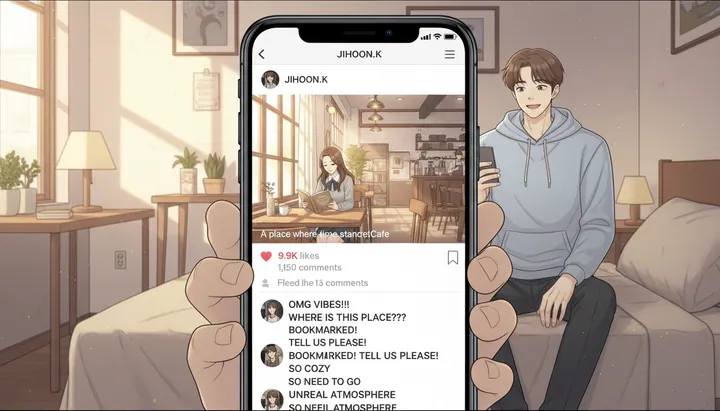
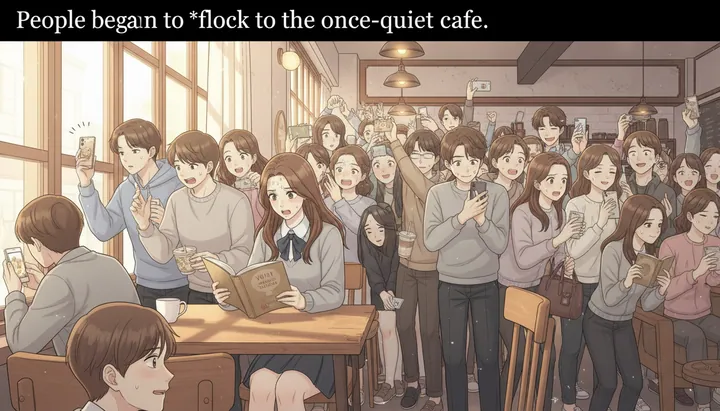
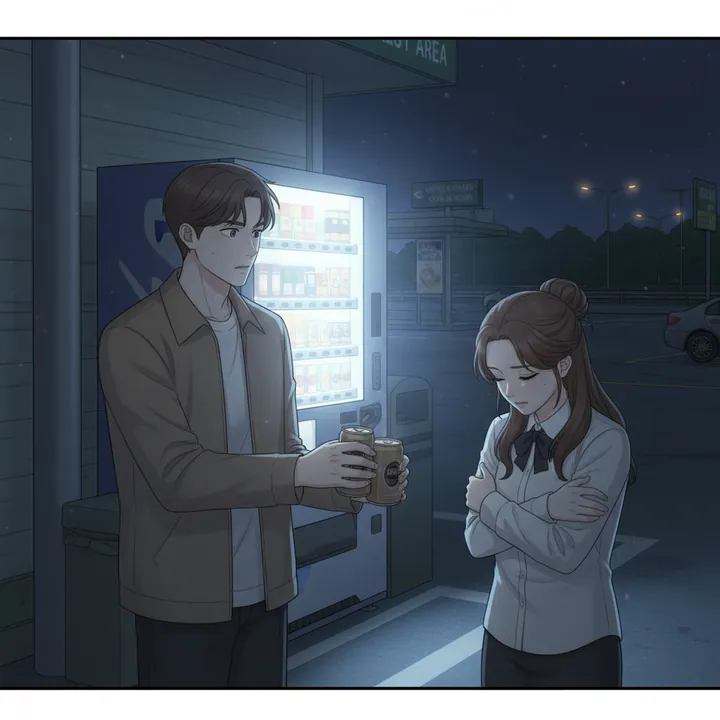
<feed xmlns="http://www.w3.org/2005/Atom"> <id>https://mystudies.pages.dev/</id> <title>오늘의 영어</title> <subtitle>“일상과 업무에서 바로 쓸 수 있는 영어 표현을 정리하는 나만의 영어 노트입니다.”</subtitle> <updated>2026-05-17T18:09:03+09:00</updated> <author> <name>SW Kim</name> <uri>https://mystudies.pages.dev/</uri> </author> <link rel="self" type="application/atom+xml" href="https://mystudies.pages.dev/feed.xml"/> <link rel="alternate" type="text/html" hreflang="ko" href="https://mystudies.pages.dev/" /> <link rel="alternate" type="text/html" hreflang="en" href="https://mystudies.pages.dev/en/" /> <generator uri="https://jekyllrb.com/" version="4.4.1">Jekyll</generator> <rights> © 2026 SW Kim </rights> <icon>/assets/img/favicons/favicon.ico</icon> <logo>/assets/img/favicons/favicon-96x96.png</logo> <entry> <title xml:lang="ko">break the ice</title> <link href="https://mystudies.pages.dev/posts/break-the-ice/" rel="alternate" type="text/html" hreflang="ko" /> <link href="https://mystudies.pages.dev/en/posts/break-the-ice/" rel="alternate" type="text/html" hreflang="en" /> <published>2026-05-17T09:37:00+09:00</published> <updated>2026-05-17T09:37:00+09:00</updated> <id>https://mystudies.pages.dev/posts/break-the-ice/</id> <author> <name>SW Kim</name> </author> <category term="English" /> <category term="Real Class" /> <category term="Real Live" /> <summary xml:lang="ko"><!-- _includes/post-description.html --> <p class="post-desc fw-light">어색한 분위기를 깨뜨리다</p> </summary> <content type="html" xml:lang="ko" src="https://mystudies.pages.dev/posts/break-the-ice/"> <!-- _includes/post-description.html --> <p class="post-desc fw-light">어색한 분위기를 깨뜨리다</p> <![CDATA[ <em><p>* Mathematical equations and diagrams included in posts may not display properly when viewed with a feed reader.</p></em> <div class="vocab-card hover-card prompt-dic"> <h1 style="color:#2bde73; margin:0;">break the ice</h1> <p style="margin:6px 0 0 0;">어색한 분위기를 깨뜨리다</p> </div> <hr /> <h2 id="-오늘의-표현">🎯 오늘의 표현</h2> <p>이 표현은 리얼클래스 리얼라이브 <em>How to Make Friends as an Adult: Breaking the Ice</em> 편을 공부하면서 인상 깊게 배운 표현이에요. 강의에서는 처음 만난 사람들과의 어색한 분위기를 어떻게 자연스럽게 풀고, 대화를 이어가는지를 정말 현실적인 상황 중심으로 설명해줬는데요. “처음부터 완벽하게 말하려고 하기보다, 가볍고 공감할 수 있는 이야기로 분위기를 부드럽게 만드는 게 중요하다”라고 설명한 부분이 기억에 남았어요. 실제 영어권 문화에서는 처음의 awkwardness(어색함)를 당연하게 여기고, 얼마나 자연스럽게 분위기를 풀어가느냐를 더 중요하게 생각한다고 하더라고요.</p> <p>그 과정에서 등장한 표현이 바로 <strong>break the ice</strong>입니다. 직역하면 “얼음을 깨다”이지만, 실제로는 <strong>“서먹한 분위기를 깨다”, “어색함을 풀다”</strong>라는 의미로 사용돼요. 특히 파티, 모임, 팀 프로젝트, 소개팅처럼 처음 만난 사람들이 있는 상황에서 정말 자주 쓰이는 표현이래요.</p> <hr /> <h2 id="-간단한-설명">💡 간단한 설명</h2> <p>‘break the ice’는 직역하면 ‘얼음을 깨다’라는 뜻이지만, 실제로는 처음 만난 자리의 서먹함을 없애고 편안한 대화의 물꼬를 트는 것을 의미해요. 이 표현은 과거에 커다란 쇄빙선이 얼어붙은 바다의 얼음을 깨서 다른 배들이 지나갈 길을 만들어주던 모습에서 유래되었답니다.</p> <p>차가운 얼음처럼 굳어있는 분위기를 따뜻하고 부드럽게 녹인다는 기분 좋은 뉘앙스를 담고 있어요. 새로운 사람들을 만나는 파티나 오리엔테이션처럼, 처음의 긴장을 풀기 위해 가벼운 농담이나 자기소개를 하는 상황에서 자주 사용돼요.</p> <hr /> <h2 id="-cambridge-dictionary-정의">📚 Cambridge Dictionary 정의</h2> <dl> <dt><strong>break the ice</strong></dt> <dd>to say or do something that makes people feel more relaxed, especially at the beginning of a meeting, party, etc.<br /> → 특히 회의나 파티 등의 시작 부분에서 사람들이 더 편안하게 느끼도록 말하거나 행동하는 것.</dd> </dl> <hr /> <h2 id="️-예문">✍️ 예문</h2> <ol> <li>I told a joke to help break the ice at the start of the meeting. <br /> (회의 시작 전에 서먹한 분위기를 깨기 위해 농담을 하나 했어.) <br /></li> <li>Playing a short game is a good way to break the ice in a new group. <br /> (새로운 그룹에서 어색함을 푸는 데는 짧은 게임을 하는 것이 좋은 방법이야.) <br /></li> <li>He shared a funny story to break the ice with his new colleagues. <br /> (그는 새 동료들과의 긴장을 풀기 위해 재미있는 이야기를 공유했어.) <br /></li> <li>It was hard to break the ice because everyone seemed so nervous. <br /> (모두가 너무 긴장한 것 같아서 어색한 분위기를 깨기가 힘들었어.) <br /></li> <li>Why don’t we introduce ourselves to break the ice? <br /> (서먹함을 풀기 위해 우리 자기소개를 먼저 해볼까요?)</li> </ol> <hr /> <h2 id="-비슷한-표현들">🔁 비슷한 표현들</h2> <ol> <li><strong>lighten the mood</strong> (분위기를 가볍게 하다/띄우다)<br /> 무겁거나 진지한 분위기를 덜 심각하고 즐겁게 만드는 상황에서 사용하는 표현이에요. <blockquote> <p>He told a joke to lighten the mood during the stressful meeting.<br /> (그는 스트레스가 심한 회의 중에 분위기를 띄우기 위해 농담을 했다.)</p> </blockquote> </li> <li><strong>get the ball rolling</strong> (일을 시작하다/물꼬를 트다)<br /> 활동이나 대화를 시작하여 다른 사람들도 자연스럽게 참여하도록 유도하는 상황에서 써요. <blockquote> <p>I’ll ask the first question just to get the ball rolling.<br /> (물꼬를 트기 위해 제가 먼저 질문을 던져 보겠습니다.)</p> </blockquote> </li> <li><strong>set someone at ease</strong> (~를 편안하게 해주다)<br /> 상대방이 걱정이나 긴장을 버리고 심리적으로 편안함과 안정을 느끼게 해줄 때 사용하는 표현이에요. <blockquote> <p>Her friendly smile immediately set the new employee at ease.<br /> (그녀의 친절한 미소는 신입 사원을 즉시 편안하게 해주었다.)</p> </blockquote> </li> </ol> <hr /> ]]> </content> </entry> <entry> <title xml:lang="ko">be quick on one's feet</title> <link href="https://mystudies.pages.dev/posts/be-quick-on-one's-feet/" rel="alternate" type="text/html" hreflang="ko" /> <link href="https://mystudies.pages.dev/en/posts/be-quick-on-one's-feet/" rel="alternate" type="text/html" hreflang="en" /> <published>2026-05-16T09:39:00+09:00</published> <updated>2026-05-16T09:39:00+09:00</updated> <id>https://mystudies.pages.dev/posts/be-quick-on-one's-feet/</id> <author> <name>SW Kim</name> </author> <category term="English" /> <category term="Real Class" /> <category term="Orphan Black Season 2" /> <summary xml:lang="ko"><!-- _includes/post-description.html --> <p class="post-desc fw-light">상황 변화에 기민하게 대처하거나 머리 회전이 아주 빠른</p> </summary> <content type="html" xml:lang="ko" src="https://mystudies.pages.dev/posts/be-quick-on-one's-feet/"> <!-- _includes/post-description.html --> <p class="post-desc fw-light">상황 변화에 기민하게 대처하거나 머리 회전이 아주 빠른</p> <![CDATA[ <em><p>* Mathematical equations and diagrams included in posts may not display properly when viewed with a feed reader.</p></em> <div class="vocab-card hover-card prompt-dic"> <h1 style="color:#2bde73; margin:0;">be quick on one's feet</h1> <p style="margin:6px 0 0 0;">상황 변화에 기민하게 대처하거나 머리 회전이 아주 빠른</p> </div> <hr /> <h2 id="-오늘의-표현">🎯 오늘의 표현</h2> <p>이 표현은 리얼클래스 서미소랑 선생님의 오펜 블랙(Orphan Black) 시즌 2를 공부하면서 배운 표현이에요. 에피소드에서는 주인공들이 도망치던 중, 늦은 밤 캠핑카로 경찰이 찾아와 불심검문을 하는 일촉즉발의 위기 상황이 펼쳐졌는데요. 이때 어린 키라(Kira)가 당황해서 얼어붙는 대신, 가면을 쓰고 장난치듯 등장해 경찰의 의심을 완전히 무장해제 시키는 대목이 기억에 남았어요. 긴장감 넘치는 순간을 어린아이 특유의 재치로 능청스럽게 넘기는 모습이 무척 흥미진진했답니다.</p> <p>실제 영어권 문화에서는 이처럼 예상치 못한 돌발 상황이나 곤란한 질문을 받았을 때, 당황하지 않고 센스 있고 유연하게 대처하는 ‘적응력과 순발력’을 굉장히 매력적이고 중요한 능력으로 여긴다고 해요. 그 위기의 순간을 멋지게 모면한 키라에게 어른인 칼(Cal)이 감탄하며 던진 표현이 바로 be quick on one’s feet입니다.</p> <hr /> <h2 id="-간단한-설명">💡 간단한 설명</h2> <p>‘be quick on one’s feet’는 직역하면 ‘발이 빠르다’는 뜻이지만, 실제로는 상황 변화에 기민하게 대처하거나 머리 회전이 아주 빠르다는 의미를 담고 있어요. 단순히 속도가 빠른 것뿐만 아니라, 예상치 못한 문제나 질문에도 당황하지 않고 지혜롭게 대처하는 ‘순발력’ 있는 뉘앙스가 강하답니다.</p> <p>이 표현은 권투나 테니스처럼 상대의 공격에 맞춰 재빨리 발을 움직여야 하는 스포츠 경기에서 유래되어 현재는 지적인 유연함을 뜻하게 되었어요. 일상에서는 갑작스러운 면접 질문을 받았을 때나 회의 중 돌발 상황이 생겼을 때 재치 있게 답변하는 모습 등을 설명할 때 주로 사용돼요. 주변에 위기 상황을 매끄럽게 넘기는 재치 있는 사람이 있다면 이 표현을 사용해 칭찬해 보시는 건 어떨까요?</p> <hr /> <h2 id="-cambridge-dictionary-정의">📚 Cambridge Dictionary 정의</h2> <dl> <dt><strong>be quick on one’s feet</strong></dt> <dd>able to think and react very quickly<br /> → 매우 빠르게 생각하고 반응할 수 있는</dd> </dl> <hr /> <h2 id="️-예문">✍️ 예문</h2> <ol> <li>He is a great politician because he is quick on his feet during debates. <br /> (그는 토론 중에 순발력이 좋아서 훌륭한 정치인이다.) <br /></li> <li>You need to be quick on your feet to succeed in this fast-paced industry. <br /> (이 빠르게 돌아가는 업계에서 성공하려면 상황 판단과 대처가 빨라야 한다.) <br /></li> <li>She was quick on her feet and came up with a solution before the meeting ended. <br /> (그녀는 상황 판단이 빨랐고 회의가 끝나기 전에 해결책을 제시했다.) <br /></li> <li>In an emergency, you have to be quick on your feet to prevent further damage. <br /> (비상 상황에서는 추가 피해를 막기 위해 기민하게 대처해야 한다.) <br /></li> <li>The comedian is known for being quick on his feet when dealing with hecklers. <br /> (그 코미디언은 야유하는 관객을 상대할 때 순발력이 뛰어난 것으로 유명하다.)</li> </ol> <hr /> <h2 id="-비슷한-표현들">🔁 비슷한 표현들</h2> <ol> <li><strong>think on your feet</strong> (재빠르게 판단하다)<br /> 갑작스러운 상황에서도 빠르게 생각하고 적절하게 대응하는 능력을 말해요. ‘be quick on one’s feet’와 거의 비슷하게 사용됩니다. <blockquote> <p>You need to think on your feet during job interviews. (면접에서는 순발력 있게 대처할 수 있어야 한다.)</p> </blockquote> </li> <li><strong>sharp-witted</strong> (눈치 빠르고 재치 있는)<br /> 이해력과 반응 속도가 빠른 사람을 묘사할 때 사용하는 표현이에요. <blockquote> <p>She is sharp-witted and always knows what to say.<br /> (그녀는 재치가 뛰어나서 항상 무슨 말을 해야 할지 안다.)</p> </blockquote> </li> <li><strong>stay on your toes</strong> (늘 긴장하고 민첩하게 대응하다)<br /> 언제든 상황 변화에 대응할 준비가 되어 있는 상태를 의미해요. <blockquote> <p>Working in customer service keeps you on your toes.<br /> (고객 서비스 업무를 하면 항상 긴장하고 민첩하게 대응해야 한다.)</p> </blockquote> </li> </ol> <hr /> <div class="bottom-image-grid"> <img src="/assets/img/20260516-03-720.webp" /> <img src="/assets/img/20260516-02-720.webp" /> <img src="/assets/img/20260516-01-720.webp" /> </div> ]]> </content> </entry> <entry> <title xml:lang="ko">bring something to the table</title> <link href="https://mystudies.pages.dev/posts/bring-something-to-the-table/" rel="alternate" type="text/html" hreflang="ko" /> <link href="https://mystudies.pages.dev/en/posts/bring-something-to-the-table/" rel="alternate" type="text/html" hreflang="en" /> <published>2026-05-15T08:00:00+09:00</published> <updated>2026-05-15T08:00:00+09:00</updated> <id>https://mystudies.pages.dev/posts/bring-something-to-the-table/</id> <author> <name>SW Kim</name> </author> <category term="English" /> <category term="Real Class" /> <category term="Real Live" /> <summary xml:lang="ko"><!-- _includes/post-description.html --> <p class="post-desc fw-light">이익이 될 만한 기술이나 자산을 제공하다(기여하다)</p> </summary> <content type="html" xml:lang="ko" src="https://mystudies.pages.dev/posts/bring-something-to-the-table/"> <!-- _includes/post-description.html --> <p class="post-desc fw-light">이익이 될 만한 기술이나 자산을 제공하다(기여하다)</p> <![CDATA[ <em><p>* Mathematical equations and diagrams included in posts may not display properly when viewed with a feed reader.</p></em> <div class="vocab-card hover-card prompt-dic"> <h1 style="color:#2bde73; margin:0;">bring something to the table</h1> <p style="margin:6px 0 0 0;">이익이 될 만한 기술이나 자산을 제공하다(기여하다)</p> </div> <hr /> <h2 id="-오늘의-표현">🎯 오늘의 표현</h2> <p>이 표현은 리얼클래스 리얼라이브 <em>How to Throw a Party Like an American</em> 편을 공부하면서 배운 표현이에요. 강의에서는 미국에서 집에서 하는 파티(house party)에 갈 때의 매너와 문화에 대해 설명해줬는데요. “미국에서는 파티에 갈 때 빈손으로 가기보다, 각자 마실 거리나 음식을 조금씩 가져와서 보태는 것이 훨씬 자연스럽다”라고 설명한 부분이 기억에 남았어요. 호스트 혼자 모든 준비와 비용을 부담하게 하지 않고, 참여하는 사람들이 다 같이 부담을 나누는 미국 특유의 합리적이고 캐주얼한 파티 문화가 무척 흥미로웠답니다.</p> <p>그 과정에서 등장한 빈칸 정답 문장의 핵심 표현이 바로 <strong>bring something to the table</strong>입니다. 직역하면 “테이블에 무언가를 가져오다”이지만, 실제로는 <strong>“기여하다”, “뭔가를 보태다”</strong>라는 의미로 사용돼요. 이번 강의처럼 파티에서 진짜 음식이나 술을 가져와 보탤 때도 쓰이지만, 원래는 비즈니스 상황에서 아주 자주 쓰이는 필수 표현이라고 해요.</p> <hr /> <h2 id="-간단한-설명">💡 간단한 설명</h2> <p>‘bring something to the table’은 어떤 상황이나 집단에 기여할 수 있는 유익한 기술, 아이디어, 혹은 자산을 제공한다는 긍정적인 의미를 담고 있어요. 이 표현은 도박판에서 테이블 위에 판돈을 올리거나 비즈니스 협상에서 제안서를 내놓는 모습에서 유래되어, 자신이 가진 가치를 증명한다는 뉘앙스를 풍깁니다.</p> <p>단순히 참여하는 것 이상으로 “내가 이 팀에 어떤 실질적인 도움을 줄 수 있는지” 강조하고 싶을 때 사용하면 아주 좋아요. 주로 취업 면접에서 자신의 강점을 어필하거나 새로운 프로젝트 팀을 꾸릴 때 각자의 역량을 확인하는 비즈니스 상황에서 자주 쓰인답니다. 상대방에게 “당신은 우리 팀에 무엇을 기여할 수 있나요?”라고 물어볼 때도 이 표현을 활용해 친근하면서도 전문적인 느낌을 줄 수 있어요.</p> <hr /> <h2 id="-cambridge-dictionary-정의">📚 Cambridge Dictionary 정의</h2> <dl> <dt><strong>bring something to the table</strong></dt> <dd>To provide something that will be a benefit; to provide something that will be useful in a situation in which a group of people is trying to reach an agreement or solve a problem.<br /> → 이익이 될 만한 것을 제공하다; 여러 사람이 합의에 도달하거나 문제를 해결하려고 노력하는 상황에서 유용한 무언가를 제공하다.</dd> </dl> <hr /> <h2 id="️-예문">✍️ 예문</h2> <ol> <li>Everyone on the team brings something unique to the table. <br /> (팀원들 모두가 각자만의 독특한 강점을 기여한다.)<br /></li> <li>We need a partner who can bring technical expertise to the table. <br /> (우리는 기술적 전문성을 제공할 수 있는 파트너가 필요하다.)<br /></li> <li>What specific skills do you bring to the table for this position? <br /> (이 직무를 위해 당신이 기여할 수 있는 구체적인 기술은 무엇인가요?)<br /></li> <li>She brings years of experience in international marketing to the table. <br /> (그녀는 국제 마케팅 분야의 수년간의 경험을 제공한다.)<br /></li> <li>Both sides need to bring a more flexible attitude to the table to reach a deal. <br /> (협상 타결을 위해 양측 모두 더 유연한 태도를 보여줄 필요가 있다.)</li> </ol> <hr /> <h2 id="-비슷한-표현들">🔁 비슷한 표현들</h2> <ol> <li>contribute to (~에 기여하다)<br /> 어떤 일이나 프로젝트에 도움이나 가치를 더할 때 사용하는 가장 기본적인 표현이에요. <blockquote> <p>Everyone contributed to the success of the project.<br /> (모두가 프로젝트의 성공에 기여했다.)</p> </blockquote> </li> <li>add value (가치를 더하다)<br /> 사람이나 아이디어, 기술 등이 어떤 상황을 더 좋게 만들 때 자주 쓰는 표현이에요. 비즈니스 영어에서 특히 많이 사용됩니다. <blockquote> <p>Her design skills really add value to the team.<br /> (그녀의 디자인 실력은 팀에 큰 가치를 더한다.)</p> </blockquote> </li> <li>have a lot to offer (제공할 것이 많다)<br /> 능력이나 장점이 많아서 도움이 될 수 있다는 의미예요. 자기소개나 면접 상황에서 자주 등장합니다. <blockquote> <p>I believe I have a lot to offer this company.<br /> (저는 이 회사에 기여할 수 있는 점이 많다고 생각합니다.)</p> </blockquote> </li> </ol> <hr /> <div class="bottom-image-grid"> <img src="/assets/img/20260515-01-720.webp" /> <img src="/assets/img/20260515-02-720.webp" /> <img src="/assets/img/20260515-03-720.webp" /> </div> ]]> </content> </entry> <entry> <title xml:lang="ko">on the tip of my tongue</title> <link href="https://mystudies.pages.dev/posts/on-the-tip-of-my-tongue/" rel="alternate" type="text/html" hreflang="ko" /> <link href="https://mystudies.pages.dev/en/posts/on-the-tip-of-my-tongue/" rel="alternate" type="text/html" hreflang="en" /> <published>2026-05-14T14:58:00+09:00</published> <updated>2026-05-14T14:58:00+09:00</updated> <id>https://mystudies.pages.dev/posts/on-the-tip-of-my-tongue/</id> <author> <name>SW Kim</name> </author> <category term="English" /> <category term="Real Class" /> <category term="Orphan Black Season 4" /> <summary xml:lang="ko"><!-- _includes/post-description.html --> <p class="post-desc fw-light">기억이 날 듯 말 듯 입안에서 맴도는</p> </summary> <content type="html" xml:lang="ko" src="https://mystudies.pages.dev/posts/on-the-tip-of-my-tongue/"> <!-- _includes/post-description.html --> <p class="post-desc fw-light">기억이 날 듯 말 듯 입안에서 맴도는</p> <![CDATA[ <em><p>* Mathematical equations and diagrams included in posts may not display properly when viewed with a feed reader.</p></em> <div class="vocab-card hover-card prompt-dic"> <h1 style="color:#2bde73; margin:0;">on the tip of my tongue</h1> <p style="margin:6px 0 0 0;">기억이 날 듯 말 듯 입안에서 맴도는</p> </div> <hr /> <h2 id="-오늘의-표현">🎯 오늘의 표현</h2> <p>이 표현은 리얼클래스 <em>오펜 블랙(Orphan Black) 시즌 4</em>를 공부하면서 배운 표현이에요. 에피소드에서는 한 임산부의 모습을 보여주며 “이 사람 알아?”라고 묻자, 분명히 아는 사람인데 이름이 바로 튀어나오지 않아 답답해하며 <em>“이름이 입안에서 맴도는데…“</em>라고 말하는 장면이 있어요. 머릿속에는 실루엣과 기억이 스치는데 정확한 단어가 탁 터지지 않는 그 답답한 순간이 대사 속에 고스란히 담겨 있었답니다.</p> <p>실제 영어권 문화에서도 무언가 기억해 내기 직전의, 뇌리에 머물러 있지만 말로 표현이 안 되는 미묘한 상태를 아주 직관적인 신체적 비유로 표현하곤 해요. 그 추적의 과정에서 등장한 표현이 바로 <strong>on the tip of my tongue</strong>이라고 합니다.</p> <hr /> <h2 id="-간단한-설명">💡 간단한 설명</h2> <p>“on the tip of my tongue”은 어떤 단어나 이름이 기억이 날 듯 말 듯하면서도 입 밖으로 바로 나오지 않을 때 사용하는 표현이에요. 이 표현은 머릿속에는 맴도는데 막상 말하려니 답답한 그 특유의 뉘앙스를 정말 잘 담고 있답니다.</p> <p>혀끝에 단어가 이미 와 있는 것 같다는 신체적인 감각에서 유래되었으며, 아주 오래전부터 동서양을 막론하고 널리 쓰여 온 유서 깊은 말이지요. 일상생활에서 아는 사람의 이름이 갑자기 생각나지 않거나, 특정 영화 제목을 누군가에게 알려주려는데 입안에서만 맴돌 때 “It’s on the tip of my tongue!”이라고 외쳐보세요. 친구와 대화하다가 단어가 막혔을 때 이 표현을 쓰면 상대방도 여러분의 답답한 마음을 금방 이해하고 기다려 줄 거예요.</p> <hr /> <h2 id="-cambridge-dictionary-정의">📚 Cambridge Dictionary 정의</h2> <dl> <dt><strong>on the tip of my tongue</strong></dt> <dd>If something that you want to say is on the tip of your tongue, you think you know it and that you will be able to remember it very soon.<br /> → 말하고자 하는 무언가가 혀끝에서 맴돈다는 것은, 당신이 그것을 알고 있다고 생각하며 곧 기억해 낼 수 있을 것 같은 상태임을 의미합니다.</dd> </dl> <hr /> <h2 id="️-예문">✍️ 예문</h2> <ol> <li>Her name is on the tip of my tongue, but I can’t quite remember it. <br /> (그녀의 이름이 입안에서 맴도는데, 정확히 기억이 안 나.)<br /></li> <li>I have the answer on the tip of my tongue, just give me a second. <br /> (정답이 생각날 듯 말 듯 한데, 잠시만 시간을 줘.)<br /></li> <li>The title of that movie was on the tip of my tongue all morning. <br /> (그 영화 제목이 오전 내내 입안에서 맴돌았어.)<br /></li> <li>It’s on the tip of my tongue, but I just can’t say it right now.<br /> (그게 입가에서 맴도는데, 지금 바로 말이 안 나오네.)<br /></li> <li>His phone number was on the tip of my tongue a moment ago.<br /> (방금 전까지 그의 전화번호가 생각날 것 같았어.)</li> </ol> <hr /> <h2 id="-비슷한-표현들">🔁 비슷한 표현들</h2> <ol> <li>slip my mind (깜빡 잊다)<br /> 알고 있던 내용을 순간적으로 잊어버렸을 때 자주 사용하는 표현이에요. <blockquote> <p>Sorry, her name completely slipped my mind.<br /> (미안, 그녀 이름이 완전히 생각이 안 났어.)</p> </blockquote> </li> <li>ring a bell (어딘가 익숙하다)<br /> 정확하게 기억나지는 않지만 희미하게 익숙한 느낌이 들 때 사용하는 표현이에요. <blockquote> <p>His name rings a bell, but I don’t remember where I met him.<br /> (그 사람 이름이 익숙한데 어디서 만났는지는 기억이 안 나.)</p> </blockquote> </li> <li>draw a blank (갑자기 아무 생각이 안 나다)<br /> 분명 알고 있었는데 순간적으로 머리가 하얘져서 기억이 나지 않는 상황을 말해요. <blockquote> <p>When the teacher asked me the question, I completely drew a blank.<br /> (선생님이 질문했을 때 갑자기 아무 생각이 안 났다.)</p> </blockquote> </li> </ol> <hr /> <div class="bottom-image-grid"> <img src="/assets/img/20260514-01-720.webp" /> <img src="/assets/img/20260514-02-720.webp" /> <img src="/assets/img/20260514-03-720.webp" /> <img src="/assets/img/20260514-04-720.webp" /> </div> ]]> </content> </entry> <entry> <title xml:lang="ko">make one's skin crawl</title> <link href="https://mystudies.pages.dev/posts/make-one's-skin-crawl/" rel="alternate" type="text/html" hreflang="ko" /> <link href="https://mystudies.pages.dev/en/posts/make-one's-skin-crawl/" rel="alternate" type="text/html" hreflang="en" /> <published>2026-05-13T12:59:00+09:00</published> <updated>2026-05-13T12:59:00+09:00</updated> <id>https://mystudies.pages.dev/posts/make-one's-skin-crawl/</id> <author> <name>SW Kim</name> </author> <category term="English" /> <category term="Real Class" /> <category term="Orphan Black Season 4" /> <summary xml:lang="ko"><!-- _includes/post-description.html --> <p class="post-desc fw-light">몹시 징그럽거나 혐오스러워 소름이 돋다</p> </summary> <content type="html" xml:lang="ko" src="https://mystudies.pages.dev/posts/make-one's-skin-crawl/"> <!-- _includes/post-description.html --> <p class="post-desc fw-light">몹시 징그럽거나 혐오스러워 소름이 돋다</p> <![CDATA[ <em><p>* Mathematical equations and diagrams included in posts may not display properly when viewed with a feed reader.</p></em> <div class="vocab-card hover-card prompt-dic"> <h1 style="color:#2bde73; margin:0;">make one's skin crawl</h1> <p style="margin:6px 0 0 0;">몹시 징그럽거나 혐오스러워 소름이 돋다</p> </div> <hr /> <h2 id="-오늘의-표현">🎯 오늘의 표현</h2> <p>이 표현은 리얼클래스 <em>오펜 블랙(Orphan Black) 시즌 4</em>를 공부하면서 배운 표현이에요. 에피소드에서는 주인공 사라(Sarah)와 필릭스(Felix)가 중요한 단서를 추적하기 위해 한 클럽을 찾아가는 장면이 나오는데요. 사라는 예전의 끔찍하고 기괴했던 경험이 떠올라 불쾌해하며 <em>“이곳은 여전히 날 소름 끼치게 만들어”</em>라고 나직하게 읊조려요. 공간이 주는 음산함과 과거의 트라우마 때문에 진저리를 치는 모습이 대사 속에 고스란히 묻어나서 보는 저까지 등골이 서늘해지는 기분이었답니다.</p> <p>실제 영어권 문화에서도 단순히 무서운 대상을 보았을 때뿐만 아니라, 직감적으로 거부감이 들거나 불쾌하고 혐오스러운 상황, 혹은 기억하고 싶지 않은 장소를 마주했을 때 겪는 신체적 반응을 아주 생생한 비유로 표현하곤 해요. 그 긴장감 넘치는 대화 속에서 등장한 표현이 바로 <strong>make one’s skin crawl</strong>입니다.</p> <hr /> <h2 id="-간단한-설명">💡 간단한 설명</h2> <p>‘make one’s skin crawl’은 누군가나 무언가가 몹시 징그럽고 혐오스러워서 소름이 돋는 기분을 나타내는 표현이에요. 단순히 무서운 것을 넘어, 마치 벌레가 피부 위를 기어가는 듯한 불쾌하고 오싹한 신체적 감각에서 유래한 아주 생생한 비유랍니다.</p> <p>19세기부터 사용된 이 표현은 등골이 서늘해지거나 온몸이 떨릴 정도로 기분이 나쁠 때의 뉘앙스를 잘 담고 있어요. 일상에서는 소름 끼치는 영화 속 악당을 보거나, 비위생적인 장소를 목격했을 때, 또는 누군가의 태도가 직감적으로 불쾌할 때 자주 사용돼요. “그 장면은 정말 소름 끼쳤어”라고 말하고 싶은 순간에 이 표현을 떠올려 보시면 좋을 거예요.</p> <hr /> <h2 id="-cambridge-dictionary-정의">📚 Cambridge Dictionary 정의</h2> <dl> <dt><strong>make one’s skin crawl</strong></dt> <dd>If someone or something makes your skin crawl, you think they are very unpleasant or frightening.<br /> → 만약 누군가나 무언가가 당신의 피부를 기어 다니게 만든다면(소름 끼치게 한다면), 당신은 그 대상이 매우 불쾌하거나 공포스럽다고 생각하는 것이다.</dd> </dl> <hr /> <h2 id="️-예문">✍️ 예문</h2> <ol> <li>The way he stares at people without saying a word makes my skin crawl. <br /> (그가 아무 말 없이 사람들을 빤히 쳐다보는 방식은 나를 소름 끼치게 해.) <br /></li> <li>Just the thought of hundreds of insects crawling on me makes my skin crawl. <br /> (수백 마리의 벌레가 내 몸을 기어 다닌다는 생각만으로도 소름이 돋아.) <br /></li> <li>There was something about his oily smile that made her skin crawl. <br /> (그의 가식적인 미소에는 그녀를 소름 끼치게 만드는 무언가가 있었다.) <br /></li> <li>I don’t want to go into that basement; it’s so dark and damp it makes my skin crawl. <br /> (저 지하실에 들어가고 싶지 않아. 너무 어둡고 눅눅해서 소름 끼쳐.) <br /></li> <li>Listening to his cruel stories about animals really made my skin crawl. <br /> (동물에 대한 그의 잔인한 이야기들을 듣는 것은 정말 소름 끼쳤어.)</li> </ol> <hr /> <h2 id="-비슷한-표현들">🔁 비슷한 표현들</h2> <ol> <li><strong>give someone goosebumps</strong> (소름 돋게 하다)<br /> 무섭거나 감정적으로 강한 자극을 받아 소름이 돋는 상황에서 사용하는 표현이에요. <blockquote> <p>That horror movie gave me goosebumps.<br /> (그 공포 영화는 나를 소름 돋게 했다.)</p> </blockquote> </li> <li><strong>creep someone out</strong> (오싹하게 만들다)<br /> 사람을 불편하고 불안하게 만들어 소름 끼치게 할 때 자주 쓰는 표현이에요. <blockquote> <p>His strange laugh really creeps me out.<br /> (그의 이상한 웃음소리는 정말 소름 끼쳐.)</p> </blockquote> </li> <li><strong>send chills down someone’s spine</strong> (등골이 오싹하게 하다)<br /> 강한 공포나 불쾌감 때문에 등골이 서늘해지는 느낌을 표현할 때 사용해요. <blockquote> <p>The sudden scream sent chills down my spine.<br /> (갑작스러운 비명 소리에 등골이 오싹해졌다.)</p> </blockquote> </li> </ol> <hr /> <div class="bottom-image-grid"> <img src="/assets/img/20260517-01-720.webp" /> <img src="/assets/img/20260517-02-720.webp" /> <img src="/assets/img/20260517-03-720.webp" /> </div> ]]> </content> </entry> <entry> <title xml:lang="ko">catch up</title> <link href="https://mystudies.pages.dev/posts/catch-up/" rel="alternate" type="text/html" hreflang="ko" /> <link href="https://mystudies.pages.dev/en/posts/catch-up/" rel="alternate" type="text/html" hreflang="en" /> <published>2026-05-12T12:56:00+09:00</published> <updated>2026-05-12T12:56:00+09:00</updated> <id>https://mystudies.pages.dev/posts/catch-up/</id> <author> <name>SW Kim</name> </author> <category term="English" /> <category term="Real Class" /> <category term="Orphan Black Season 4" /> <summary xml:lang="ko"><!-- _includes/post-description.html --> <p class="post-desc fw-light">오랜만에 만나 근황을 나누고 밀린 이야기를 하다</p> </summary> <content type="html" xml:lang="ko" src="https://mystudies.pages.dev/posts/catch-up/"> <!-- _includes/post-description.html --> <p class="post-desc fw-light">오랜만에 만나 근황을 나누고 밀린 이야기를 하다</p> <![CDATA[ <em><p>* Mathematical equations and diagrams included in posts may not display properly when viewed with a feed reader.</p></em> <div class="vocab-card hover-card prompt-dic"> <h1 style="color:#2bde73; margin:0;">catch up</h1> <p style="margin:6px 0 0 0;">오랜만에 만나 근황을 나누고 밀린 이야기를 하다</p> </div> <hr /> <h2 id="-오늘의-표현">🎯 오늘의 표현</h2> <p>이 표현은 리얼클래스 <em>오펜 블랙(Orphan Black) 시즌 2 에피소드 5</em>를 공부하면서 정말 인상 깊게 배운 표현이에요. 온갖 사건 사고에 휘말리며 도망치듯 지내던 주인공 사라(Sarah)가 정말 오랜만에 든든한 조력자이자 가족인 필릭스(Felix)와 재회하는 장면이 나오는데요. 그동안 서로 생사도 제대로 모른 채 너무나 많은 일이 있었기에, 사라는 필릭스에게 우선 술 한잔하러 가자고 제안하며 <em>“가서 그동안 밀린 이야기 다 해줄게”</em>라고 말해요. 정신없이 흘러간 시간 동안 나누지 못했던 비밀과 근황을 털어놓으려는 애틋하고도 긴박한 감정이 대사 속에 고스란히 묻어있었답니다.</p> <p>실제 영어권 문화에서는 이처럼 한동안 만나지 못했던 친구나 동료를 만났을 때, 내가 놓쳤던 정보나 상대방이 모르는 그간의 스토리를 공유하여 ‘정보의 격차를 메우는 것’을 표현할 때 이 구동사를 아주 자주 사용해요. 그 재회의 순간에 등장한 표현이 바로 <strong>catch someone up</strong>라고 합니다.</p> <hr /> <h2 id="-간단한-설명">💡 간단한 설명</h2> <p>‘catch up’은 오랫동안 보지 못했던 지인과 그동안의 근황이나 밀린 소식을 나눌 때 사용하는 아주 다정한 표현이에요. 단순히 사실을 전달하는 것을 넘어, 서로 떨어져 있던 시간만큼의 공백을 대화로 채우며 친밀감을 회복한다는 따뜻한 뉘앙스를 담고 있답니다.</p> <p>이 표현은 ‘뒤처진 상태를 따라잡는다’는 물리적 어원에서 유래했는데, 상대방의 소식을 모르는 상태를 정보의 공백으로 보고 이를 대화로 메운다는 비유적 의미가 더해졌어요. 예를 들어 길에서 우연히 친구를 만났을 때, “우리 조만간 커피 한 잔 하면서 밀린 얘기하자(Let’s catch up over coffee!)”와 같이 일상에서 아주 자연스럽게 활용할 수 있어요. 바쁜 일상 속에서 소중한 사람들과의 심리적 거리를 좁히고 싶을 때 이 표현을 꼭 사용해 보세요!</p> <hr /> <h2 id="-cambridge-dictionary-정의">📚 Cambridge Dictionary 정의</h2> <p><strong>catch up</strong></p> <ol> <li>To reach the same quality or standard as someone or something else. <br /> (다른 사람이나 사물과 동일한 수준이나 표준에 도달하다. / 따라잡다) <br /></li> <li>To talk to someone you have not seen for some time and find out what they have been doing. <br /> (한동안 보지 못했던 사람과 대화하며 그동안 어떻게 지냈는지 알아보다. / 근황을 나누다) <br /></li> <li>To do something you did not have time to do earlier. <br /> (이전에 할 시간이 없었던 일을 하다. / 밀린 일을 보충하다)</li> </ol> <hr /> <h2 id="️-예문">✍️ 예문</h2> <ol> <li>Let’s grab some coffee this weekend and catch up. <br /> (이번 주말에 커피 마시면서 밀린 이야기 좀 하자.) <br /></li> <li>It was so good to catch up with you after all these years. <br /> (몇 년 만에 너랑 그동안의 소식을 나눠서 정말 좋았어.) <br /></li> <li>We spent hours catching up on each other’s lives. <br /> (우리는 서로 어떻게 지냈는지 밀린 이야기를 나누며 몇 시간을 보냈다.) <br /></li> <li>I need to catch up with Sarah; I haven’t seen her in months. <br /> (사라랑 밀린 이야기를 해야 해. 몇 달 동안 못 봤거든.) <br /></li> <li>They met up for dinner to catch up on the latest news. <br /> (그들은 최근 소식들을 나누기 위해 저녁 식사 자리에서 만났다.)</li> </ol> <hr /> <h2 id="-비슷한-표현들">🔁 비슷한 표현들</h2> <ol> <li><strong>reconnect with someone</strong> (다시 연락하며 관계를 이어가다)<br /> 한동안 멀어졌던 사람과 다시 관계를 회복하거나 연락을 이어갈 때 사용하는 표현이에요. <blockquote> <p>Social media helped me reconnect with my classmates.<br /> (소셜미디어 덕분에 학창 시절 친구들과 다시 연락하게 되었다.)</p> </blockquote> </li> <li><strong>fill someone in</strong> (상황을 알려주다)<br /> 상대가 모르고 있던 최근 상황이나 정보를 자세히 설명해 줄 때 자주 사용해요. <blockquote> <p>Can you fill me in on what happened yesterday?<br /> (어제 무슨 일이 있었는지 나한테 좀 알려줄래?)</p> </blockquote> </li> <li><strong>keep in touch</strong> (계속 연락하고 지내다)<br /> 멀리 떨어져 있어도 지속적으로 연락을 유지하는 상황에서 사용하는 표현이에요. <blockquote> <p>Even after graduation, we still keep in touch.<br /> (졸업 후에도 우리는 계속 연락하고 지낸다.)</p> </blockquote> </li> </ol> <hr /> <div class="bottom-image-grid"> <img src="/assets/img/20260512-01-720.webp" /> <img src="/assets/img/20260512-02-720.webp" /> <img src="/assets/img/20260512-03-720.webp" /> <img src="/assets/img/20260512-04-720.webp" /> </div> ]]> </content> </entry> <entry> <title xml:lang="ko">want a piece of me</title> <link href="https://mystudies.pages.dev/posts/want-a-piece-of-me/" rel="alternate" type="text/html" hreflang="ko" /> <link href="https://mystudies.pages.dev/en/posts/want-a-piece-of-me/" rel="alternate" type="text/html" hreflang="en" /> <published>2026-05-11T20:25:00+09:00</published> <updated>2026-05-11T20:25:00+09:00</updated> <id>https://mystudies.pages.dev/posts/want-a-piece-of-me/</id> <author> <name>SW Kim</name> </author> <category term="English" /> <category term="Real Class" /> <category term="Orphan Black Season 4" /> <summary xml:lang="ko"><!-- _includes/post-description.html --> <p class="post-desc fw-light">"나랑 한판 붙어볼래? / 어디 한번 덤벼봐!"</p> </summary> <content type="html" xml:lang="ko" src="https://mystudies.pages.dev/posts/want-a-piece-of-me/"> <!-- _includes/post-description.html --> <p class="post-desc fw-light">"나랑 한판 붙어볼래? / 어디 한번 덤벼봐!"</p> <![CDATA[ <em><p>* Mathematical equations and diagrams included in posts may not display properly when viewed with a feed reader.</p></em> <div class="vocab-card hover-card prompt-dic"> <h1 style="color:#2bde73; margin:0;">want a piece of me</h1> <p style="margin:6px 0 0 0;">"나랑 한판 붙어볼래? / 어디 한번 덤벼봐!"</p> </div> <hr /> <h2 id="-오늘의-표현">🎯 오늘의 표현</h2> <p>이 표현은 리얼클래스 <em>오펜 블랙(Orphan Black) 시즌 4</em>에 등장한 표현이에요. 에피소드에서는 모든 클론의 유전적 기원이 되는 인물인 켄달 말론(Kendall Malone)이 오랜만에 피를 뽑는 장면이 나오는데요. 거대한 비밀과 유전적 가치 때문에 온갖 세력들이 자신을 뒤쫓고 압박하는 상황을 겪자, 켄달은 혈액 샘플을 채취당하면서 나직하게 <em>“They all want a piece of me”</em>라고 말해요.</p> <p>이 대사는 문자 그대로 <strong>“다들 내 피(신체 일부) 한 조각을 원하네”</strong>라는 뜻도 되지만, 동시에 영어권에서 싸움을 걸 때 쓰는 표현을 활용해 <strong>“다들 나한테 한판 붙자고 덤벼드는구먼”</strong>이라는 거칠고 도전적인 의미를 담은 아주 기막힌 중의적 표현이었답니다. 사방에서 시비를 걸고 위협해 오는 상황에서도 기죽지 않는 캐릭터의 깐깐하고 강한 면모가 대사 속에 고스란히 담겨 있어 무척 인상 깊었어요.</p> <hr /> <h2 id="-간단한-설명">💡 간단한 설명</h2> <p>“want a piece of me”는 직역하면 “내 조각을 원해?”라는 뜻이지만, 실제로는 <strong>“나랑 한판 붙어볼래?” 또는 “어디 한번 덤벼봐!”</strong>와 같이 싸움을 거는 도전적인 의미를 담고 있어요. 상대방의 도발에 대응하거나 기선 제압을 하고 싶을 때 사용하는 표현으로, 꽤 거칠고 공격적인 뉘앙스를 풍기는 것이 특징이랍니다.</p> <p>이 표현은 과거 싸움에서 상대의 신체 일부를 떼어낼 정도로 격렬하게 다투던 모습에서 유래되었으며, 현대에는 영화나 게임 속 대사로 자주 등장하며 대중적인 관용구가 되었어요. 일상에서는 누군가와 심한 말다툼이 벌어지는 긴박한 상황에서 쓰이기도 하지만, 아주 친한 친구 사이에서 장난스럽게 강한 척을 하며 분위기를 띄울 때 농담처럼 주고받기도 해요. 다만 표현의 수위가 높은 편이니, 상대방이 오해하지 않도록 상황을 잘 살피며 사용하는 것이 좋아요.</p> <hr /> <h2 id="-oxford-learners-dictionary-정의">📚 Oxford Learner’s Dictionary 정의</h2> <dl> <dt><strong>want a piece of someone (me)</strong></dt> <dd>used to say that someone is angry and wants to fight or argue with you.<br /> → 누군가가 화가 나서 당신과 싸우거나 논쟁하고 싶어 함을 나타낼 때 사용됨.</dd> </dl> <hr /> <h2 id="️-예문">✍️ 예문</h2> <ol> <li>He looked at me like he wanted a piece of me after I accidentally bumped into him. <br /> (내가 실수로 그와 부딪히자 그는 나와 한판 붙고 싶은 표정으로 나를 쳐다봤다.)<br /></li> <li>If you think you can just push me around, do you want a piece of me? <br /> (네가 나를 마음대로 휘두를 수 있다고 생각한다면, 나랑 한번 싸워볼래?)<br /></li> <li>The bully kept shouting, asking if anyone wanted a piece of him. <br /> (그 불량배는 누구 나랑 한판 붙고 싶은 사람 있냐며 계속 소리를 질러댔다.)<br /></li> <li>I could tell by the way he squared his shoulders that he wanted a piece of me. <br /> (그가 어깨를 쫙 펴는 모습으로 보아 나에게 싸움을 걸고 싶어 한다는 것을 알 수 있었다.)<br /></li> <li>Calm down; I’m not looking for a fight, so don’t act like you want a piece of me. <br /> (진정해. 난 싸우려는 게 아니니까 나랑 한판 붙으려는 것처럼 굴지 마.)</li> </ol> <hr /> <h2 id="-비슷한-표현들">🔁 비슷한 표현들</h2> <ol> <li><strong>bring it on</strong> (덤벼 봐)<br /> 상대의 도전이나 위협을 두려워하지 않고 받아들이겠다는 강한 표현이에요. <blockquote> <p>You think you can beat me? Bring it on.<br /> (네가 날 이길 수 있다고 생각해? 어디 한번 덤벼 봐.)</p> </blockquote> </li> <li><strong>pick a fight</strong> (싸움을 걸다)<br /> 일부러 시비를 걸거나 다툼을 시작하려 할 때 사용하는 표현이에요. <blockquote> <p>He was drunk and trying to pick a fight with everyone.<br /> (그는 술에 취해서 모든 사람에게 시비를 걸고 있었다.)</p> </blockquote> </li> <li><strong>square up to someone</strong> (맞서 싸울 자세를 취하다)<br /> 누군가와 정면으로 맞서 싸우려는 태도를 보일 때 사용하는 표현이에요. <blockquote> <p>He squared up to the guy who insulted him.<br /> (그는 자신을 모욕한 남자에게 맞설 자세를 취했다.)</p> </blockquote> </li> </ol> <hr /> <div class="bottom-image-grid"> <img src="/assets/img/20260511-01-720.webp" /> <img src="/assets/img/20260511-02-720.webp" /> <img src="/assets/img/20260511-03-720.webp" /> </div> ]]> </content> </entry> <entry> <title xml:lang="ko">in the zone</title> <link href="https://mystudies.pages.dev/posts/in-the-zone/" rel="alternate" type="text/html" hreflang="ko" /> <link href="https://mystudies.pages.dev/en/posts/in-the-zone/" rel="alternate" type="text/html" hreflang="en" /> <published>2026-05-10T09:33:00+09:00</published> <updated>2026-05-10T09:33:00+09:00</updated> <id>https://mystudies.pages.dev/posts/in-the-zone/</id> <author> <name>SW Kim</name> </author> <category term="English" /> <category term="Real Class" /> <category term="Orphan Black Season 4" /> <summary xml:lang="ko"><!-- _includes/post-description.html --> <p class="post-desc fw-light">어떤 일에 무아지경으로 빠져들어 엄청난 집중력을 발휘하는 상태</p> </summary> <content type="html" xml:lang="ko" src="https://mystudies.pages.dev/posts/in-the-zone/"> <!-- _includes/post-description.html --> <p class="post-desc fw-light">어떤 일에 무아지경으로 빠져들어 엄청난 집중력을 발휘하는 상태</p> <![CDATA[ <em><p>* Mathematical equations and diagrams included in posts may not display properly when viewed with a feed reader.</p></em> <div class="vocab-card hover-card prompt-dic"> <h1 style="color:#2bde73; margin:0;">in the zone</h1> <p style="margin:6px 0 0 0;">어떤 일에 무아지경으로 빠져들어 엄청난 집중력을 발휘하는 상태</p> </div> <hr /> <h2 id="-오늘의-표현">🎯 오늘의 표현</h2> <p>이 표현은 리얼클래스 <em>오펜 블랙(Orphan Black) 시즌 4</em>를 공부하면서 배운 표현이에요. 에피소드에서는 앨리슨(Alison)이 오랜만에 필릭스(Felix)의 집을 찾아오는 장면이 나오는데요. 한동안 연락도 잘 안 되고 소식도 뜸했던 필릭스에게 앨리슨이 <em>“왜 진작 만나러 오지 않았냐, 그동안 뭐 하고 지냈냐”</em>라며 따지듯 묻자, 필릭스가 능청스럽게 자신의 예술 작업 공간을 가리키며 <em>“나 요새 완전히 초집중 상태(몰입 상태)였단 말이야…“</em>라고 변명하는 장면이 있어요.</p> <p>주변의 방해나 연락조차 모두 차단한 채 자신만의 세계나 작업에 푹 빠져 있었다는 핑계를 대는 필릭스의 아티스트적인 면모와, 두 사람의 현실감 넘치는 티키타카가 대사 속에 고스란히 담겨 있어 무척 인상 깊었답니다. 그 대화 속에서 등장한 핵심 표현이 바로 <strong>in the zone</strong>입니다.</p> <hr /> <h2 id="-간단한-설명">💡 간단한 설명</h2> <p>‘in the zone’은 어떤 일에 무아지경으로 빠져들어 주변의 소음이나 방해를 전혀 느끼지 못할 만큼 엄청난 집중력을 발휘하는 상태를 의미해요. 마치 나만의 특별한 영역(zone) 안에 들어간 것처럼 모든 것이 순조롭게 풀리고 최고의 실력이 발휘되는 긍정적인 뉘앙스를 담고 있답니다.</p> <p>이 표현은 1970년대 스포츠 경기에서 유래되었는데, 운동선수가 극도의 몰입 상태에서 신들린 듯한 경기력을 보여줄 때 사용하기 시작했어요. 오늘날에는 스포츠뿐만 아니라 중요한 시험 공부를 하거나 업무 보고서를 작성할 때, 혹은 예술 활동에 깊이 빠진 일상적인 상황에서도 자주 쓰여요. 여러분도 무언가에 시간 가는 줄 모르고 푹 빠져서 최고의 성과를 내고 있을 때 “I’m in the zone!”이라고 기분 좋게 표현해 보세요.</p> <hr /> <h2 id="-oxford-learners-dictionary-정의">📚 Oxford Learner’s Dictionary 정의</h2> <dl> <dt><strong>in the zone</strong></dt> <dd>In a state of perfect concentration on what you are doing, so that you are very good at it.<br /> → 자신이 하고 있는 일에 완벽하게 집중하여 그것을 아주 능숙하게 잘 해내고 있는 상태.</dd> </dl> <hr /> <h2 id="️-예문">✍️ 예문</h2> <ol> <li>I was totally in the zone while writing that code, and I finished it in two hours. <br /> (그 코드를 짤 때 완전히 몰입 상태여서 두 시간 만에 끝냈어.) <br /></li> <li>The basketball player was in the zone and didn’t miss a single shot. <br /> (그 농구 선수는 초집중 상태여서 슛을 단 하나도 놓치지 않았다.) <br /></li> <li>When she’s painting, she’s in the zone and forgets everything around her. <br /> (그녀는 그림을 그릴 때 몰입 상태에 들어가서 주변의 모든 것을 잊어버린다.) <br /></li> <li>Don’t interrupt him now; he’s finally in the zone with his writing. <br /> (지금 그를 방해하지 마. 드디어 글쓰기에 완전히 몰입했거든.) <br /></li> <li>I felt like I was in the zone during the presentation, so I wasn’t nervous at all. <br /> (발표하는 동안 초집중 상태였던 것 같아서 전혀 긴장되지 않았어.)</li> </ol> <hr /> <h2 id="-비슷한-표현들">🔁 비슷한 표현들</h2> <ol> <li><strong>be absorbed in something</strong> (무언가에 푹 빠져 있다)<br /> 어떤 활동에 깊이 몰입해서 주변 상황을 거의 신경 쓰지 않는 상태를 말해요. <blockquote> <p>She was completely absorbed in her book.<br /> (그녀는 책에 완전히 빠져 있었다.)</p> </blockquote> </li> <li><strong>be focused</strong> (집중하고 있다)<br /> 하나의 일에 정신을 집중하고 있는 상태를 나타내는 가장 기본적인 표현이에요. <blockquote> <p>I need to stay focused during the exam.<br /> (시험 동안 집중력을 유지해야 한다.)</p> </blockquote> </li> <li><strong>lose track of time</strong> (시간 가는 줄 모르다)<br /> 무언가에 너무 집중한 나머지 시간이 흐르는 것도 잊어버리는 상황에서 자주 쓰는 표현이에요. <blockquote> <p>I lost track of time while studying at the café.<br /> (카페에서 공부하다가 시간 가는 줄 몰랐다.)</p> </blockquote> </li> </ol> <hr /> <div class="bottom-image-grid"> <img src="/assets/img/20260510-01-720.webp" /> <img src="/assets/img/20260510-02-720.webp" /> </div> ]]> </content> </entry> <entry> <title xml:lang="ko">fishy</title> <link href="https://mystudies.pages.dev/posts/fish/" rel="alternate" type="text/html" hreflang="ko" /> <link href="https://mystudies.pages.dev/en/posts/fish/" rel="alternate" type="text/html" hreflang="en" /> <published>2026-05-08T14:00:00+09:00</published> <updated>2026-05-08T14:00:00+09:00</updated> <id>https://mystudies.pages.dev/posts/fish/</id> <author> <name>SW Kim</name> </author> <category term="English" /> <category term="Real Class" /> <category term="Orphan Black Season 4" /> <summary xml:lang="ko"><!-- _includes/post-description.html --> <p class="post-desc fw-light">무언가 '수상하다' 또는 '의심스럽다'</p> </summary> <content type="html" xml:lang="ko" src="https://mystudies.pages.dev/posts/fish/"> <!-- _includes/post-description.html --> <p class="post-desc fw-light">무언가 '수상하다' 또는 '의심스럽다'</p> <![CDATA[ <em><p>* Mathematical equations and diagrams included in posts may not display properly when viewed with a feed reader.</p></em> <div class="vocab-card hover-card prompt-dic"> <h1 style="color:#2bde73; margin:0;">fishy</h1> <p style="margin:6px 0 0 0;">무언가 '수상하다' 또는 '의심스럽다'</p> </div> <hr /> <h2 id="-오늘의-표현">🎯 오늘의 표현</h2> <p>이 표현은 리얼클래스 <em>오펜 블랙(Orphan Black) 시즌 4</em> 를 공부하면서 배운 표현이에요. 에피소드에서는 주인공 사라(Sarah)가 정체불명의 클론 MK로부터 “네오루션(Neolution) 세력들이 너희가 있는 곳을 찾아냈으니 당장 도망쳐야 한다”라는 다급한 전화를 받는 장면이 나와요. 사라는 이 경고를 믿고 당장 짐을 싸서 떠나자고 하지만, 가족들은 제대로 된 정보도 주지 않은 채 경찰인 아트(Art)마저 따돌리고 사라진 MK의 행동을 도저히 신뢰하지 못하죠. 그 상황에서 MK를 강하게 의심하며 <em>“어딘가 지독하게 수상쩍단 말이지”</em>라고 의혹을 제기하는 대사가 나온답니다.</p> <p>적인지 아군인지 확실치 않은 인물의 수상한 행동 때문에 모두가 혼란스러워하고 의심하는 긴박한 타이밍에 등장한 핵심 표현이 바로 <strong>fishy</strong>입니다.</p> <hr /> <h2 id="-간단한-설명">💡 간단한 설명</h2> <p>안녕하세요!<br /> ‘fishy’라는 표현은 무언가 <strong>‘수상하다’ 또는 ‘의심스럽다’</strong>는 의미를 가지고 있어요. 이 표현은 생선이 상했을 때 나는 비릿한 냄새에 빗대어 생겨났답니다. 상한 생선 냄새처럼, 어떤 이야기나 상황이 어딘가 이상하고 석연치 않은 느낌이 들 때 사용하는 거죠. 예를 들어, 친구의 변명이 앞뒤가 맞지 않거나 너무 좋은 조건의 제안을 받았을 때:</p> <blockquote> <p>“That sounds a bit fishy.”<br /> (그거 좀 수상하게 들리는데?)</p> </blockquote> <p>라고 말할 수 있어요. 이렇게 무언가 숨기는 것이 있거나 정직하지 않다는 느낌이 들 때 부드럽게 의심을 표현하기 좋은 단어입니다.</p> <hr /> <h2 id="-oxford-learners-dictionaries-정의">📚 Oxford Learner’s Dictionaries 정의</h2> <dl> <dt><strong>fishy</strong></dt> <dd>seeming dishonest or false<br /> → 부정직하거나 허위인 것처럼 보이는 <br /> → 수상쩍은</dd> </dl> <hr /> <h2 id="️-예문">✍️ 예문</h2> <ol> <li>There’s something fishy about his story; the details don’t add up. <br /> (그의 이야기에는 뭔가 수상한 점이 있어. 세부 내용이 앞뒤가 안 맞아.)<br /></li> <li>I got a fishy email asking for my password. <br /> (나는 내 비밀번호를 요구하는 수상한 이메일을 받았어.)<br /></li> <li>The whole deal seemed a bit fishy to me. <br /> (그 거래 전체가 내게는 좀 수상쩍게 보였어.)<br /></li> <li>I have a fishy feeling that he’s not telling me the whole truth.<br /> (그가 내게 모든 진실을 말하고 있지 않다는 수상쩍은 느낌이 들어.)<br /></li> <li>Her excuse for being late sounded fishy.<br /> (지각에 대한 그녀의 변명은 수상하게 들렸어.)</li> </ol> <hr /> <h2 id="-비슷한-표현들">🔁 비슷한 표현들</h2> <ol> <li><strong>suspicious</strong> (의심스러운)<br /> 가장 기본적으로 무언가 믿기 어렵거나 수상하다고 느낄 때 사용하는 표현이에요. <blockquote> <p>His behavior seemed suspicious to everyone.<br /> (그의 행동은 모두에게 수상해 보였다.)</p> </blockquote> </li> <li><strong>shady</strong> (수상쩍은 / 떳떳하지 않은)<br /> 사람이나 거래, 행동 등이 정직하지 못하고 뒤가 구린 느낌일 때 자주 사용하는 표현이에요. <blockquote> <p>They were involved in some shady business deals.<br /> (그들은 수상한 사업 거래에 연루되어 있었다.)</p> </blockquote> </li> <li><strong>sketchy</strong> (미심쩍은 / 불안한)<br /> 정보가 불확실하거나 사람·상황이 믿음직스럽지 않을 때 쓰는 캐주얼한 표현이에요. <blockquote> <p>That website looks pretty sketchy.<br /> (그 웹사이트 꽤 수상해 보인다.)</p> </blockquote> </li> </ol> <hr /> <div class="bottom-image-grid"> <img src="/assets/img/20260508-01-720.webp" /> <img src="/assets/img/20260508-02-720.webp" /> <img src="/assets/img/20250508-03-720.webp" /> <img src="/assets/img/20250508-04-720.webp" /> </div> ]]> </content> </entry> <entry> <title xml:lang="ko">come out wrong</title> <link href="https://mystudies.pages.dev/posts/come-out-wrong/" rel="alternate" type="text/html" hreflang="ko" /> <link href="https://mystudies.pages.dev/en/posts/come-out-wrong/" rel="alternate" type="text/html" hreflang="en" /> <published>2026-05-06T10:49:00+09:00</published> <updated>2026-05-06T10:49:00+09:00</updated> <id>https://mystudies.pages.dev/posts/come-out-wrong/</id> <author> <name>SW Kim</name> </author> <category term="English" /> <category term="Real Class" /> <category term="Orphan Black Season 4" /> <summary xml:lang="ko"><!-- _includes/post-description.html --> <p class="post-desc fw-light">의도와는 다르게 말이 잘못 나왔을 때, '말실수했다'는 의미</p> </summary> <content type="html" xml:lang="ko" src="https://mystudies.pages.dev/posts/come-out-wrong/"> <!-- _includes/post-description.html --> <p class="post-desc fw-light">의도와는 다르게 말이 잘못 나왔을 때, '말실수했다'는 의미</p> <![CDATA[ <em><p>* Mathematical equations and diagrams included in posts may not display properly when viewed with a feed reader.</p></em> <div class="vocab-card hover-card prompt-dic"> <h1 style="color:#2bde73; margin:0;">come out wrong</h1> <p style="margin:6px 0 0 0;">의도와는 다르게 말이 잘못 나왔을 때, '말실수했다'는 의미</p> </div> <hr /> <h2 id="-오늘의-표현">🎯 오늘의 표현</h2> <p>이 표현은 리얼클래스 <em>오펜 블랙(Orphan Black) 시즌 4</em>를 공부하면서 배운 표현이에요. 늘 불안에 떨며 숨어 지내는 MK와, 그녀를 챙기면서도 비밀을 캐내려는 베스(Beth)가 격렬하게 말다툼을 벌이는 긴장감 넘치는 장면이 나오는데요. 감정이 격해진 상태에서 대화를 나누다 보니, 베스가 그만 MK에게 상처가 될 만한 모진 말을 툭 내뱉고 말아요. 하지만 베스는 결코 상처를 주려던 진심이 아니었기에, 깜짝 놀라며 곧바로 <em>“미안해, 말이 이상하게 나왔어(말실수했어)”</em>라며 사과하고 오해를 바로잡으려고 노력한답니다.</p> <p>실제로 나쁜 뜻이나 악의는 전혀 없었지만, 감정이 앞서거나 서툰 표현 방식 때문에 오해를 살 만하게 대화가 흘러갔을 때 이 구동사를 정말 자주 사용해요. 그 사과의 순간에 등장한 표현이 바로 <strong>come out wrong</strong>입니다.</p> <hr /> <h2 id="-간단한-설명">💡 간단한 설명</h2> <p>‘come out wrong’은 의도와는 다르게 말이 잘못 나왔을 때, 즉 ‘말실수했다’는 의미로 사용되는 표현이에요. 나쁜 의도는 없었지만 표현이 서툴거나 오해를 살 만하게 들려서 “아, 내 뜻은 그게 아닌데…” 하는 억울한 마음을 담고 있답니다.</p> <p>이 표현은 ‘나오다(come out)’와 ‘잘못된(wrong)’이라는 단어가 합쳐져 ‘말이 잘못 튀어나오다’라는 의미로 자연스럽게 굳어진 관용구예요. 예를 들어 친구에게 칭찬하려다 되려 무례하게 들렸을 때:</p> <blockquote> <p>“Wait, that came out wrong. I meant it as a compliment!”<br /> (잠깐, 말이 좀 이상하게 나왔네. 칭찬이었어!)</p> </blockquote> <p>라고 말하며 바로잡을 수 있답니다. 이처럼 진심을 전하려다 표현이 서툴렀을 때 사용하면 좋은 아주 유용한 표현이에요.</p> <hr /> <h2 id="-cambridge-dictionary-정의">📚 Cambridge Dictionary 정의</h2> <dl> <dt><strong>come out wrong</strong></dt> <dd>If something you say comes out wrong, you do not say what you intended to say.<br /> → 당신이 한 말이 잘못 나온다면, 그것은 당신이 말하려고 의도했던 것을 말하지 못한 것입니다. (의도와 다르게 말이 나오다)</dd> </dl> <hr /> <h2 id="️-예문">✍️ 예문</h2> <ol> <li>I’m sorry, that came out wrong. I didn’t mean to criticize you. <br /> (미안해요, 말이 헛나왔어요. 당신을 비판하려던 게 아니었어요.)<br /></li> <li>That’s not what I meant at all—it just came out wrong. <br /> (전혀 그런 뜻이 아니었는데, 말이 잘못 나왔어요.)<br /></li> <li>Sometimes my compliments come out wrong and sound like insults. <br /> (가끔 제 칭찬이 의도와 다르게 나와서 모욕처럼 들릴 때가 있어요.)<br /></li> <li>Let me rephrase that; it completely came out wrong.<br /> (다시 말할게요. 그건 완전히 잘못 전달됐어요.)<br /></li> <li>I tried to explain the situation, but my words came out all wrong.<br /> (상황을 설명하려고 했는데, 말이 전부 헛나왔어요.)</li> </ol> <hr /> <h2 id="-비슷한-표현들">🔁 비슷한 표현들</h2> <ol> <li><strong>misspeak</strong> (말실수하다)<br /> 의도하지 않게 잘못된 표현이나 단어를 사용했을 때 쓰는 표현이에요. 비교적 격식 있는 느낌이 있어요. <blockquote> <p>I misspoke during the interview and gave the wrong date.<br /> (면접 중 말실수를 해서 잘못된 날짜를 말했다.)</p> </blockquote> </li> <li><strong>put it badly</strong> (말을 서툴게 하다)<br /> 의도는 있었지만 표현 방식이 좋지 않았다는 의미로 자주 사용돼요. <blockquote> <p>I think I put that badly. Let me explain again.<br /> (내가 말을 좀 서툴게 한 것 같아. 다시 설명할게.)</p> </blockquote> </li> <li><strong>phrase something poorly</strong> (표현을 잘못하다)<br /> 생각은 맞지만 표현 방식 때문에 오해가 생겼을 때 사용하는 표현이에요. <blockquote> <p>She phrased her opinion poorly and upset everyone.<br /> (그녀는 의견을 잘못 표현해서 모두를 기분 나쁘게 했다.)</p> </blockquote> </li> </ol> <hr /> <div class="bottom-image-grid"> <img src="/assets/img/20260506-01-720.webp" /> <img src="/assets/img/20260506-02-720.webp" /> <img src="/assets/img/20260506-03-720.webp" /> <img src="/assets/img/20260506-04-720.webp" /> </div> ]]> </content> </entry> <entry> <title xml:lang="ko">Don't let the bed bugs bite</title> <link href="https://mystudies.pages.dev/posts/Do-not-let-the-bed-bugs-bite/" rel="alternate" type="text/html" hreflang="ko" /> <link href="https://mystudies.pages.dev/en/posts/Do-not-let-the-bed-bugs-bite/" rel="alternate" type="text/html" hreflang="en" /> <published>2026-05-03T09:06:00+09:00</published> <updated>2026-05-03T09:06:00+09:00</updated> <id>https://mystudies.pages.dev/posts/Do-not-let-the-bed-bugs-bite/</id> <author> <name>SW Kim</name> </author> <category term="English" /> <category term="Real Class" /> <category term="Real Live" /> <summary xml:lang="ko"><!-- _includes/post-description.html --> <p class="post-desc fw-light">"잘 자"라는 의미를 가진 다정하고 장난기 어린 밤인사</p> </summary> <content type="html" xml:lang="ko" src="https://mystudies.pages.dev/posts/Do-not-let-the-bed-bugs-bite/"> <!-- _includes/post-description.html --> <p class="post-desc fw-light">"잘 자"라는 의미를 가진 다정하고 장난기 어린 밤인사</p> <![CDATA[ <em><p>* Mathematical equations and diagrams included in posts may not display properly when viewed with a feed reader.</p></em> <div class="vocab-card hover-card prompt-dic"> <h1 style="color:#2bde73; margin:0;">Don't let the bed bugs bite</h1> <p style="margin:6px 0 0 0;">"잘 자"라는 의미를 가진 다정하고 장난기 어린 밤인사</p> </div> <hr /> <h2 id="-오늘의-표현">🎯 오늘의 표현</h2> <p>이 표현은 리얼클래스 <em>오펜 블랙(Orphan Black) 시즌 4</em>를 공부하면서 배운 표현이에요. 늘 거대 세력의 위협과 사건 조사 때문에 불안하고 무거운 삶을 살아가던 베스(Beth)가 든든한 파트너 형사인 아트(Art)의 집을 찾아가는 장면이 나와요. 마침 잠자리에 들 준비를 하던 아트의 어린 딸을 마주하게 되는데, 베스가 아이의 눈높이에 맞춰 환하게 웃으며 <em>“푹 자고, 빈대한테 물리지 말고 잘 자렴!”</em> 하고 다정하게 밤인사를 건네는 따뜻한 장면이 등장한답니다.</p> <p>늘 긴장감 넘치고 차가운 분위기의 베스가 아이 앞에서 친근하고 유쾌한 이모처럼 애정 어린 인사를 건네는 타이밍에 등장한 핵심 표현이 바로 <strong>Don’t let the bed bugs bite</strong>입니다.</p> <hr /> <h2 id="-간단한-설명">💡 간단한 설명</h2> <p>“Don’t let the bed bugs bite”는 “잘 자”라는 의미를 가진 아주 다정하고 장난기 어린 밤인사예요. 옛날 침대에 벌레가 많던 시절 “빈대 조심해!”라는 실제 걱정이 담긴 말에서 유래했지만, 지금은 운율을 맞춘 농담처럼 애정 어린 뉘앙스로 사용된답니다.</p> <p>주로 부모님이 아이를 재우거나 가까운 사람에게 따뜻하고 유쾌하게 “좋은 꿈 꿔”라고 말하고 싶을 때 쓰는 사랑스러운 표현이에요. 이 말을 들으면 정말 포근하고 기분 좋게 잠들 수 있겠죠?</p> <hr /> <h2 id="-cambridge-dictionary-정의">📚 Cambridge Dictionary 정의</h2> <dl> <dt><strong>(sleep tight,) don’t let the bedbugs bite</strong></dt> <dd>a humorous way of saying good night to someone as they go to bed.<br /> → 누군가 잠자리에 들 때 잘 자라고 재미있게 건네는 말.</dd> </dl> <hr /> <h2 id="️-예문">✍️ 예문</h2> <ol> <li>Good night, sleep tight, and don’t let the bed bugs bite! <br /> (안녕히 주무세요, 푹 주무시고, 빈대한테 물리지 않게 조심하세요!) <br /></li> <li>I tucked you in nice and warm, sweetie. Don’t let the bed bugs bite! <br /> (따뜻하게 잘 덮어줬어, 얘야. 빈대한테 물리지 말고 잘 자!) <br /></li> <li>It’s way past your bedtime. Off to bed, and don’t let the bed bugs bite! <br /> (잘 시간 훨씬 지났어. 어서 자러 가, 그리고 빈대한테 물리지 마!) <br /></li> <li>He kissed his daughter’s forehead and said, “Don’t let the bed bugs bite.” <br /> (그는 딸의 이마에 뽀뽀하며 “빈대한테 물리지 말고 잘 자렴.”이라고 말했다.) <br /></li> <li>I’m heading to bed now. Talk to you tomorrow. Don’t let the bed bugs bite! <br /> (나 이제 자러 가. 내일 얘기해. 잘 자!)</li> </ol> <hr /> <h2 id="-비슷한-표현들">🔁 비슷한 표현들</h2> <ol> <li><strong>sleep tight</strong> (푹 자)<br /> 상대방이 편안하고 깊게 잠들기를 바라는 가장 대표적인 밤인사 표현이에요. <blockquote> <p>Sleep tight and see you tomorrow.<br /> (푹 자고 내일 보자.)</p> </blockquote> </li> <li><strong>sweet dreams</strong> (좋은 꿈 꿔)<br /> 다정하고 따뜻한 느낌으로 자주 사용하는 표현이에요. <blockquote> <p>Good night, sweet dreams.<br /> (잘 자, 좋은 꿈 꿔.)</p> </blockquote> </li> <li><strong>nighty-night</strong> (잘 자~ / 코 자자~)<br /> 아이들이나 가까운 사이에서 장난스럽고 귀엽게 사용하는 표현이에요. <blockquote> <p>Time for bed, nighty-night!<br /> (잘 시간이야, 잘 자~!)</p> </blockquote> </li> </ol> <hr /> <div class="bottom-image-grid"> <img src="/assets/img/20260503-01-720.webp" /> <img src="/assets/img/20260503-02-720.webp" /> </div> ]]> </content> </entry> <entry> <title xml:lang="ko">bank</title> <link href="https://mystudies.pages.dev/posts/bank/" rel="alternate" type="text/html" hreflang="ko" /> <link href="https://mystudies.pages.dev/en/posts/bank/" rel="alternate" type="text/html" hreflang="en" /> <published>2026-05-02T09:45:00+09:00</published> <updated>2026-05-02T09:45:00+09:00</updated> <id>https://mystudies.pages.dev/posts/bank/</id> <author> <name>SW Kim</name> </author> <category term="English" /> <category term="Real Class" /> <category term="Orphan Black Season 4" /> <summary xml:lang="ko"><!-- _includes/post-description.html --> <p class="post-desc fw-light">휴가나 시간을 나중에 쓰기 위해 차곡차곡 모아두는 것</p> </summary> <content type="html" xml:lang="ko" src="https://mystudies.pages.dev/posts/bank/"> <!-- _includes/post-description.html --> <p class="post-desc fw-light">휴가나 시간을 나중에 쓰기 위해 차곡차곡 모아두는 것</p> <![CDATA[ <em><p>* Mathematical equations and diagrams included in posts may not display properly when viewed with a feed reader.</p></em> <div class="vocab-card hover-card prompt-dic"> <h1 style="color:#2bde73; margin:0;">bank</h1> <p style="margin:6px 0 0 0;">휴가나 시간을 나중에 쓰기 위해 차곡차곡 모아두는 것</p> </div> <hr /> <h2 id="-오늘의-표현">🎯 오늘의 표현</h2> <p>이 표현은 리얼클래스 <em>오펜 블랙(Orphan Black) 시즌 4</em>를 공부하면서 일상에서 정말 유용하게 쓸 수 있겠다고 생각한 표현이에요. 베스(Beth)의 남자친구인 폴(Paul)이 힘든 일상에 지쳐 보이는 베스를 다정하게 챙기는 대화 장면이 나오는데요. 폴이 베스에게 <em>“나 그동안 안 쓰고 쌓아둔 휴가가 어느 정도 꽤 되거든. 우리 이번에 어디 멀리 쉬러 놀러 가자”</em>라며 따뜻한 제안을 건네는 달달한 대사가 등장한답니다.</p> <p>바쁜 직장 생활 속에서 당장의 쉼을 아끼고 미래의 더 큰 휴식이나 여행을 위해 연차를 차곡차곡 저축해 두었다고 말하는 타이밍에 등장한 핵심 표현이 바로 <strong>bank</strong>입니다.</p> <hr /> <h2 id="-간단한-설명">💡 간단한 설명</h2> <p>‘bank’는 돈을 은행에 예치하듯 휴가나 시간을 나중에 쓰기 위해 차곡차곡 모아두는 것을 의미해요. 이 표현은 마치 소중한 자산을 비축하는 것처럼, 당장의 즐거움 대신 미래의 더 큰 휴식을 위해 아껴두는 든든하고 계획적인 뉘앙스를 풍깁니다.</p> <p>어원적으로는 이탈리아어 ‘banco(탁자, 선반)’에서 유래한 ‘bank’가 가치 있는 것을 안전하게 보관한다는 개념으로 쓰이면서, 현대에는 시간이나 휴가에도 적용된 것이에요. 일상에서는 장기 휴가를 계획하며 연차를 아끼는 상황에서 자주 사용된답니다.</p> <blockquote> <p>“I’m banking my vacation days for a trip next year.”<br /> (내년 여행을 위해 휴가를 모으고 있어.)</p> </blockquote> <p>여러분도 소중한 휴가를 잘 ‘bank’해서 꿈꾸던 멋진 재충전의 시간을 꼭 가져보시길 바랄게요.</p> <hr /> <h2 id="-oxford-learners-dictionaries-정의">📚 Oxford Learner’s Dictionaries 정의</h2> <dl> <dt><strong>bank</strong></dt> <dd>to collect or store something for future use.<br /> → 나중에 사용하기 위해 무언가를 모으거나 저장하다.</dd> </dl> <hr /> <h2 id="️-예문">✍️ 예문</h2> <ol> <li>I’m banking my vacation days for a big trip next summer. <br /> (나는 내년 여름에 있을 긴 여행을 위해 휴가를 모으고 있어.)<br /></li> <li>You can bank up to 20 days of unused leave to carry over to the next year. <br /> (사용하지 않은 휴가는 최대 20일까지 모아서 내년으로 이월할 수 있어.)<br /></li> <li>She banked enough overtime hours to take a week off. <br /> (그녀는 일주일 휴가를 낼 만큼 충분한 초과 근무 시간을 모았어.)<br /></li> <li>Instead of taking a short break now, I’d rather bank my holidays for December.<br /> (지금 짧은 휴가를 가기보다는, 12월을 위해 휴가를 모아두고 싶어.)<br /></li> <li>It’s a good idea to bank some sick days in case you get really ill.<br /> (심하게 아플 경우를 대비해서 병가를 좀 모아두는 것이 좋아.)</li> </ol> <hr /> <h2 id="-비슷한-표현들">🔁 비슷한 표현들</h2> <ol> <li><strong>save up</strong> (차곡차곡 모으다)<br /> 돈이나 시간 등을 미래를 위해 조금씩 아껴 모을 때 사용하는 가장 기본적인 표현이에요. <blockquote> <p>I’m saving up my vacation days for winter.<br /> (나는 겨울을 위해 휴가를 모으고 있다.)</p> </blockquote> </li> <li><strong>set aside</strong> (따로 남겨두다)<br /> 나중에 사용하기 위해 일정 부분을 따로 보관하거나 확보해 두는 느낌의 표현이에요. <blockquote> <p>She set aside a few days for her family trip.<br /> (그녀는 가족 여행을 위해 며칠을 따로 남겨두었다.)</p> </blockquote> </li> <li><strong>stockpile</strong> (비축하다)<br /> 필요할 때를 대비해 많이 모아두는 상황에서 사용하는 표현이에요. <blockquote> <p>He stockpiled extra vacation hours before the busy season.<br /> (그는 바쁜 시즌 전에 추가 휴가 시간을 비축해 두었다.)</p> </blockquote> </li> </ol> <hr /> <div class="bottom-image-grid"> <img src="/assets/img/20260502-01-720.webp" /> <img src="/assets/img/20260502-02-720.webp" /> <img src="/assets/img/20260502-03-720.webp" /> </div> ]]> </content> </entry> <entry> <title xml:lang="ko">comes with the territory</title> <link href="https://mystudies.pages.dev/posts/comes-with-the-territory/" rel="alternate" type="text/html" hreflang="ko" /> <link href="https://mystudies.pages.dev/en/posts/comes-with-the-territory/" rel="alternate" type="text/html" hreflang="en" /> <published>2026-05-01T10:27:00+09:00</published> <updated>2026-05-01T10:27:00+09:00</updated> <id>https://mystudies.pages.dev/posts/comes-with-the-territory/</id> <author> <name>SW Kim</name> </author> <category term="English" /> <category term="Real Class" /> <category term="Orphan Black Season 4" /> <summary xml:lang="ko"><!-- _includes/post-description.html --> <p class="post-desc fw-light">어떤 일이나 상황에 따르는 당연한 부분, 감수해야 할 일</p> </summary> <content type="html" xml:lang="ko" src="https://mystudies.pages.dev/posts/comes-with-the-territory/"> <!-- _includes/post-description.html --> <p class="post-desc fw-light">어떤 일이나 상황에 따르는 당연한 부분, 감수해야 할 일</p> <![CDATA[ <em><p>* Mathematical equations and diagrams included in posts may not display properly when viewed with a feed reader.</p></em> <div class="vocab-card hover-card prompt-dic"> <h1 style="color:#2bde73; margin:0;">comes with the territory</h1> <p style="margin:6px 0 0 0;">어떤 일이나 상황에 따르는 당연한 부분, 감수해야 할 일</p> </div> <hr /> <h2 id="-오늘의-표현">🎯 오늘의 표현</h2> <p>이 표현은 리얼클래스 <em>오펜 블랙(Orphan Black) 시즌 4</em>에서 배운 표현이에요. 에피소드에서는 베스(Beth)가 무거운 의혹을 품고 네올루션의 핵심 인물인 리키 박사를 찾아가 대화를 나누는 장면이 나오는데요. 리키 박사가 베스의 경찰조사를 비꼬며 <em>“요즘 참 많이 바쁘시겠어요”</em>라고 넌지시 압박을 줘요. 하지만 베스는 전혀 기죽지 않고 덤덤하게 눈을 맞추며 <em>“이쪽 일이 원래 그렇죠(이 바닥 생리가 다 그렇죠)”</em>라고 받아칩니다.</p> <p>상대방의 기선제압용 비꼼에도 흔들리지 않고, 자신이 몸담은 형사라는 직업상 당연히 겪는 일일 뿐이라며 쿨하게 넘기는 타이밍에 등장한 핵심 표현이 바로 <strong>comes with the territory</strong>입니다.</p> <hr /> <h2 id="-간단한-설명">💡 간단한 설명</h2> <p>‘comes with the territory’라는 표현은 어떤 일이나 상황에 따르는 불편하거나 힘든 점을 어쩔 수 없이 받아들여야 할 때 사용하는 말이랍니다. 마치 ‘이 바닥이 다 그렇죠’라고 말하는 것처럼, 불평하기보다는 ‘원래 그런 거니까’하고 체념하듯 받아들이는 뉘앙스가 있어요.</p> <p>이 표현은 과거에 영업사원이나 관리자가 자신에게 할당된 ‘영역(territory)’을 담당하며 겪는 모든 고충을 당연히 감수해야 했던 것에서 유래했다고 해요. 그래서 일상생활에서는 어떤 직업이나 역할에 따르는 어려움을 이야기할 때 자주 사용되곤 하죠. 예를 들어,</p> <blockquote> <p>유명 연예인이 사생활 침해로 힘들어할 때, “유명세 때문에 어쩔 수 없는 부분이야”라고 위로하며<br /> “Losing your privacy kind of comes with the territory of being famous.”</p> </blockquote> <p>라고 말할 수 있답니다.</p> <hr /> <h2 id="-cambridge-dictionary-정의">📚 Cambridge Dictionary 정의</h2> <dl> <dt><strong>comes with the territory</strong></dt> <dd>to be a normal and accepted part of a particular job, situation, etc. → 특정 직업, 상황 등의 정상적이고 당연하게 받아들여지는 부분이다.</dd> </dl> <hr /> <h2 id="️-예문">✍️ 예문</h2> <ol> <li>Dealing with angry customers is frustrating, but it comes with the territory when you work in retail. <br /> (화난 고객들을 상대하는 건 짜증 나지만, 소매업에서 일하면 그게 다반사죠.) <br /></li> <li>As a politician, being criticized by the media just comes with the territory. <br /> (정치인으로서 언론의 비판을 받는 것은 그냥 감수해야 할 부분이죠.) <br /></li> <li>I get a lot of weird fan mail, but I guess that comes with the territory of being a celebrity. <br /> (이상한 팬레터를 많이 받는데, 연예인이라면 으레 겪는 일인 것 같아요.) <br /></li> <li>Long hours and high stress? That just comes with the territory of being a lawyer. <br /> (긴 근무 시간과 높은 스트레스? 변호사라는 직업상 어쩔 수 없는 부분이죠.) <br /></li> <li>He hates the constant travel, but it comes with the territory for an international salesperson. <br /> (그는 잦은 출장을 싫어하지만, 국제 영업사원에게는 그게 숙명이죠.)</li> </ol> <hr /> <h2 id="-비슷한-표현들">🔁 비슷한 표현들</h2> <ol> <li><strong>part of the job</strong> (일의 일부다)<br /> 어떤 직업이나 역할을 하면서 자연스럽게 따라오는 책임이나 어려움을 말할 때 사용하는 표현이에요. <blockquote> <p>Working weekends is just part of the job.<br /> (주말 근무는 그냥 이 일의 일부야.)</p> </blockquote> </li> <li><strong>that’s the way it goes</strong> (원래 그런 거지)<br /> 어쩔 수 없는 현실이나 상황을 담담하게 받아들일 때 자주 쓰는 표현이에요. <blockquote> <p>Sometimes things don’t work out. That’s the way it goes.<br /> (가끔은 일이 뜻대로 안 풀리기도 해. 원래 그런 거지.)</p> </blockquote> </li> <li><strong>occupational hazard</strong> (직업병 / 직업상 감수해야 할 위험)<br /> 특정 직업 때문에 생기는 불편함이나 위험 요소를 농담처럼 표현할 때 자주 사용해요. <blockquote> <p>Back pain is an occupational hazard for office workers.<br /> (허리 통증은 사무직의 직업병이다.)</p> </blockquote> </li> </ol> <hr /> <div class="bottom-image-grid"> <img src="/assets/img/20260501-01-720.webp" /> <img src="/assets/img/20260501-02-720.webp" /> <img src="/assets/img/20260501-03-720.webp" /> <img src="/assets/img/20260501-04-720.webp" /> </div> ]]> </content> </entry> <entry> <title xml:lang="ko">cram</title> <link href="https://mystudies.pages.dev/posts/cram/" rel="alternate" type="text/html" hreflang="ko" /> <link href="https://mystudies.pages.dev/en/posts/cram/" rel="alternate" type="text/html" hreflang="en" /> <published>2026-05-01T09:38:00+09:00</published> <updated>2026-05-01T09:38:00+09:00</updated> <id>https://mystudies.pages.dev/posts/cram/</id> <author> <name>SW Kim</name> </author> <category term="English" /> <category term="Real Class" /> <category term="Orphan Black Season 4" /> <summary xml:lang="ko"><!-- _includes/post-description.html --> <p class="post-desc fw-light">시험을 앞두고 짧은 시간 동안 많은 양을 급하게 공부하는 '벼락치기'</p> </summary> <content type="html" xml:lang="ko" src="https://mystudies.pages.dev/posts/cram/"> <!-- _includes/post-description.html --> <p class="post-desc fw-light">시험을 앞두고 짧은 시간 동안 많은 양을 급하게 공부하는 '벼락치기'</p> <![CDATA[ <em><p>* Mathematical equations and diagrams included in posts may not display properly when viewed with a feed reader.</p></em> <div class="vocab-card hover-card prompt-dic"> <h1 style="color:#2bde73; margin:0;">cram</h1> <p style="margin:6px 0 0 0;">시험을 앞두고 짧은 시간 동안 많은 양을 급하게 공부하는 '벼락치기'</p> </div> <hr /> <h2 id="-오늘의-표현">🎯 오늘의 표현</h2> <p>이 표현은 리얼클래스 <em>오펜 블랙(Orphan Black) 시즌 4</em>를 공부하면서 배운 표현이에요. 에피소드에서는 베스(Beth)가 베일에 싸인 거대 세력인 ‘네올루션(Neolution)’의 실체를 조사하기 위해 핵심 인물인 리키 박사를 찾아가 만나는 긴장감 넘치는 장면이 나와요. 대화를 나누던 중 베스가 네올루션의 복잡한 과학적 개념과 이론을 척척 받아치자, 깜짝 놀란 리키 박사가 호기심 어린 눈빛으로 <em>“너도 이 분야를 전공하거나 따로 공부해?”</em>라고 물어봅니다. 그때 베스가 유연하게 미소를 지으며 <em>“벼락치기 좀 했죠”</em>라고 재치 있게 받아치는 대사가 등장한답니다.</p> <p>조사를 위해 전날 밤새도록 관련 자료를 머릿속에 급하게 구겨 넣고 왔음을 위트 있게 인정하는 타이밍에 등장한 핵심 표현이 바로 <strong>cram</strong>입니다.</p> <hr /> <h2 id="-간단한-설명">💡 간단한 설명</h2> <p>‘Cram’은 시험을 앞두고 짧은 시간 동안 많은 양을 급하게 공부하는, 바로 그 ‘벼락치기’를 의미하는 표현이에요. 단순히 열심히 공부한다는 느낌보다는, 깊이 이해하기보다는 당장 시험을 위해 머릿속에 정보를 억지로 구겨 넣는 듯한 뉘앙스를 담고 있답니다.</p> <p>원래 이 단어는 좁은 공간에 무언가를 ‘빽빽하게 채워 넣다’라는 뜻에서 유래했는데, 지식을 머릿속에 가득 채워 넣는 모습이 연상되지 않나요? 그래서 친구에게 “나 내일 시험이라 오늘 밤새 벼락치기해야 해”라고 말하고 싶을 때, “I have to cram for my test all night”라고 자연스럽게 사용할 수 있어요. 중요한 시험이나 발표를 앞두고 급하게 준비할 때 정말 딱 맞는 표현이랍니다.</p> <hr /> <h2 id="-oxford-learners-dictionaries-정의">📚 Oxford Learner’s Dictionaries 정의</h2> <p><strong>cram</strong></p> <ol> <li> <p>to push or force somebody/something into a small space<br /> → 누군가나 무언가를 작은 공간으로 밀어 넣거나 억지로 채워 넣다.</p> </li> <li> <p>to learn a lot of things in a short time, in preparation for an exam<br /> → 시험 준비를 위해 짧은 시간 안에 많은 것을 배우다 (벼락치기하다).</p> </li> </ol> <hr /> <h2 id="️-예문">✍️ 예문</h2> <ol> <li>I have to cram for my final exam all night. <br /> (나는 밤새도록 기말고사를 위해 벼락치기해야 해.)<br /></li> <li>She’s been cramming for her chemistry test since this morning. <br /> (그녀는 아침부터 화학 시험을 위해 벼락치기 공부를 하고 있어.)<br /></li> <li>Cramming for a test is not a good study habit. <br /> (시험을 위해 벼락치기하는 것은 좋은 공부 습관이 아니야.)<br /></li> <li>He tried to cram a whole month’s worth of lessons into one weekend. <br /> (그는 한 달 치 수업 분량을 주말 동안 벼락치기하려고 했다.)<br /></li> <li>Instead of cramming at the last minute, you should review your notes regularly. <br /> (막판에 벼락치기하는 대신, 정기적으로 필기를 복습해야 해.)</li> </ol> <hr /> <h2 id="-비슷한-표현들">🔁 비슷한 표현들</h2> <ol> <li><strong>pull an all-nighter</strong> (밤을 새우다)<br /> 시험이나 과제를 위해 밤을 꼬박 새우며 작업하거나 공부하는 상황에서 자주 사용하는 표현이에요. <blockquote> <p>I pulled an all-nighter to finish my report.<br /> (나는 보고서를 끝내기 위해 밤을 샜다.)</p> </blockquote> </li> <li><strong>study at the last minute</strong> (막판에 공부하다)<br /> 시험 직전에 급하게 공부하는 상황을 가장 직관적으로 표현하는 말이에요. <blockquote> <p>He always studies at the last minute before exams.<br /> (그는 항상 시험 전에 막판 벼락치기를 한다.)</p> </blockquote> </li> <li><strong>binge-study</strong> (몰아서 공부하다)<br /> 짧은 시간 동안 엄청난 양을 한꺼번에 공부하는 모습을 강조할 때 사용하는 표현이에요. <blockquote> <p>We binge-studied for the math test all weekend.<br /> (우리는 주말 내내 수학 시험 벼락치기를 했다.)</p> </blockquote> </li> </ol> <hr /> <div class="bottom-image-grid"> <img src="/assets/img/20260504-01-720.webp" /> <img src="/assets/img/20260504-02-720.webp" /> <img src="/assets/img/20260504-03-720.webp" /> <img src="/assets/img/20260504-04-720.webp" /> </div> ]]> </content> </entry> <entry> <title xml:lang="ko">out of the blue</title> <link href="https://mystudies.pages.dev/posts/out-of-the-blue/" rel="alternate" type="text/html" hreflang="ko" /> <link href="https://mystudies.pages.dev/en/posts/out-of-the-blue/" rel="alternate" type="text/html" hreflang="en" /> <published>2026-04-30T19:59:00+09:00</published> <updated>2026-04-30T19:59:00+09:00</updated> <id>https://mystudies.pages.dev/posts/out-of-the-blue/</id> <author> <name>SW Kim</name> </author> <category term="English" /> <category term="Real Class" /> <category term="Real Live" /> <summary xml:lang="ko"><!-- _includes/post-description.html --> <p class="post-desc fw-light">갑자기, 느닷없이, 뜬금없이</p> </summary> <content type="html" xml:lang="ko" src="https://mystudies.pages.dev/posts/out-of-the-blue/"> <!-- _includes/post-description.html --> <p class="post-desc fw-light">갑자기, 느닷없이, 뜬금없이</p> <![CDATA[ <em><p>* Mathematical equations and diagrams included in posts may not display properly when viewed with a feed reader.</p></em> <div class="vocab-card hover-card prompt-dic"> <h1 style="color:#2bde73; margin:0;">out of the blue</h1> <p style="margin:6px 0 0 0;">갑자기, 느닷없이, 뜬금없이</p> </div> <h2 id="-오늘의-표현">🎯 오늘의 표현</h2> <p>이 표현은 <em>리얼클래스 리얼라이브(Real Live) 수업</em> 중에 배운 귀한 표현이에요! 선생님께서 우리가 일상에서 “야, 진짜 뜬금없다!”, “아무 예고도 없이 갑자기 왜 이래?”라고 말하는 뉘앙스를 영어로 어떻게 가장 원어민스럽게 표현하는지 설명해 주셨는데요.</p> <p>아무런 징조나 전조증상도 없이 상황이 180도 바뀌거나 놀라운 소식이 툭 날아들었을 때, 원어민들이 입버릇처럼 쓰는 마법 같은 표현이 바로 <strong>out of the blue</strong>라고 해요. 교과서적인 ‘Suddenly’보다 훨씬 더 회화적이고 맛깔나는 표현이라 수업을 듣자마자 꼭 블로그에 정리해두고 싶었답니다.</p> <hr /> <h2 id="-간단한-설명">💡 간단한 설명</h2> <p>‘Out of the blue’는 <strong>‘갑자기’, ‘느닷없이’, ‘뜬금없이’</strong>라는 의미를 가진 표현이에요. 이 말은 전혀 예상치 못한 일이 벌어져서 깜짝 놀랐을 때의 뉘앙스를 담고 있답니다.</p> <p>맑고 푸른 하늘(the blue)에서 갑자기 무언가가 툭 튀어나오는 모습을 상상하면 이해하기 쉬운데요, 여기서 유래했다는 이야기가 있어요. 예를 들어 오랫동안 연락이 없던 친구가 느닷없이 결혼한다고 연락이 왔을 때:</p> <blockquote> <p>“She contacted me out of the blue to tell me she’s getting married.”<br /> (그녀는 결혼한다는 소식을 전하려 느닷없이 나에게 연락했다.)</p> </blockquote> <p>라고 말할 수 있죠. 이처럼 예고 없이 일어나는 놀라운 상황을 표현하고 싶을 때 사용하면 아주 좋답니다.</p> <hr /> <h2 id="-oxford-learners-dictionaries-정의">📚 Oxford Learner’s Dictionaries 정의</h2> <dl> <dt><strong>out of the blue</strong></dt> <dd>unexpectedly; without warning<br /> → 예상치 못하게; 아무런 예고 없이</dd> </dl> <hr /> <h2 id="️-예문">✍️ 예문</h2> <ol> <li>One day, out of the blue, she announced that she was leaving. <br /> (어느 날, 갑자기 그녀는 떠난다고 발표했다.)<br /></li> <li>My old friend from college called me out of the blue yesterday. <br /> (어제 대학 시절 옛 친구에게서 난데없이 전화가 왔다.)<br /></li> <li>The idea for the new product came to him out of the blue. <br /> (신제품에 대한 아이디어가 그에게 갑자기 떠올랐다.)<br /></li> <li>He just quit his job out of the blue, and no one knows why.<br /> (그는 아무 예고 없이 갑자기 직장을 그만뒀는데, 아무도 이유를 모른다.)<br /></li> <li>Out of the blue, a deer ran across the road in front of my car.<br /> (느닷없이 사슴 한 마리가 내 차 앞 도로를 가로질러 뛰어갔다.)</li> </ol> <hr /> <h2 id="-비슷한-표현들">🔁 비슷한 표현들</h2> <ol> <li><strong>all of a sudden</strong> (갑자기)<br /> 예상하지 못한 일이 순간적으로 일어났을 때 가장 자주 사용하는 표현이에요. <blockquote> <p>All of a sudden, the lights went out.<br /> (갑자기 불이 꺼졌다.)</p> </blockquote> </li> <li><strong>unexpectedly</strong> (예상치 못하게)<br /> 조금 더 자연스럽고 문어체 느낌으로 ‘뜻밖에’라는 의미를 전달할 때 사용하는 표현이에요. <blockquote> <p>She unexpectedly showed up at the party.<br /> (그녀는 예상치 못하게 파티에 나타났다.)</p> </blockquote> </li> <li><strong>without warning</strong> (예고 없이)<br /> 아무런 신호나 준비 없이 일이 발생했을 때 쓰는 표현이에요. <blockquote> <p>The storm hit without warning.<br /> (폭풍이 아무런 예고 없이 들이닥쳤다.)</p> </blockquote> </li> </ol> <hr /> <div class="bottom-image-grid"> <img src="/assets/img/20260430-01-720.webp" /> <img src="/assets/img/20260430-02-720.webp" /> <img src="/assets/img/20260430-03-720.webp" /> <img src="/assets/img/20260430-04-720.webp" /> </div> ]]> </content> </entry> <entry> <title xml:lang="ko">on the down-low</title> <link href="https://mystudies.pages.dev/posts/on-the-down-low/" rel="alternate" type="text/html" hreflang="ko" /> <link href="https://mystudies.pages.dev/en/posts/on-the-down-low/" rel="alternate" type="text/html" hreflang="en" /> <published>2026-04-29T09:32:00+09:00</published> <updated>2026-04-29T09:32:00+09:00</updated> <id>https://mystudies.pages.dev/posts/on-the-down-low/</id> <author> <name>SW Kim</name> </author> <category term="English" /> <category term="Real Class" /> <category term="Orphan Black Season 4" /> <summary xml:lang="ko"><!-- _includes/post-description.html --> <p class="post-desc fw-light">'비밀리에' 또는 '조용히' 처리한다는 의미의 속어</p> </summary> <content type="html" xml:lang="ko" src="https://mystudies.pages.dev/posts/on-the-down-low/"> <!-- _includes/post-description.html --> <p class="post-desc fw-light">'비밀리에' 또는 '조용히' 처리한다는 의미의 속어</p> <![CDATA[ <em><p>* Mathematical equations and diagrams included in posts may not display properly when viewed with a feed reader.</p></em> <div class="vocab-card hover-card prompt-dic"> <h1 style="color:#2bde73; margin:0;">on the down-low</h1> <p style="margin:6px 0 0 0;">'비밀리에' 또는 '조용히' 처리한다는 의미의 속어</p> </div> <hr /> <h2 id="-간단한-설명">💡 간단한 설명</h2> <p>‘on the DL’이라는 표현은 ‘on the down-low’의 줄임말로, 어떤 일을 <strong>‘비밀리에’ 또는 ‘조용히’</strong> 처리한다는 의미를 가진 사랑스러운 속어랍니다.</p> <p>아주 심각하고 어둡고 비밀이라기보다는, 다른 사람들에게 굳이 알리고 싶지 않은 일을 우리끼리만 공유할 때 사용하는 부드러운 뉘앙스를 담고 있어요. 이 표현은 1990년대 아프리카계 미국인 공동체에서 유래되어, 이제는 어떤 종류의 비밀이든 가리키는 말로 널리 쓰이게 되었답니다.</p> <p>예를 들어 친구의 깜짝 파티를 준비하면서 “이 계획은 꼭 on the DL로 해야 해!”라고 말하거나, 아직 직장 동료들에게는 알리고 싶지 않은 개인적인 계획을 이야기할 때 쓸 수 있어요.</p> <hr /> <h2 id="-cambridge-dictionary-정의">📚 Cambridge Dictionary 정의</h2> <dl> <dt><strong>on the DL (on the down low)</strong></dt> <dd>secretly or privately<br /> → 비밀리에 또는 사적으로</dd> </dl> <hr /> <h2 id="️-예문">✍️ 예문</h2> <ol> <li>I heard they’re seeing each other on the DL. <br /> (그들 몰래 만나고 있다고 들었어.)<br /></li> <li>Let’s keep this plan on the DL until everything is finalized. <br /> (모든 것이 확정될 때까지 이 계획은 비밀로 하자.)<br /></li> <li>He’s looking for a new job on the DL, so don’t mention it at work. <br /> (그는 몰래 새 직장을 알아보고 있으니, 회사에서는 그 얘기를 꺼내지 마.)<br /></li> <li>She told me on the DL that she’s quitting next week.<br /> (그녀가 다음 주에 그만둘 거라고 내게 몰래 말해줬어.)<br /></li> <li>We have to organize this surprise party on the DL.<br /> (우리는 이 깜짝 파티를 비밀리에 준비해야 해.)</li> </ol> <hr /> <h2 id="-비슷한-표현들">🔁 비슷한 표현들</h2> <ol> <li><strong>hush-hush</strong> (쉬쉬하는 / 비밀스러운)<br /> 사람들에게 공개하지 않고 조용히 처리하는 분위기를 나타낼 때 자주 쓰는 표현이에요. <blockquote> <p>The meeting was very hush-hush.<br /> (그 회의는 아주 비밀스럽게 진행됐다.)</p> </blockquote> </li> <li><strong>behind closed doors</strong> (비공개로)<br /> 공개되지 않은 장소나 상황에서 조용히 논의하거나 처리할 때 사용하는 표현이에요. <blockquote> <p>The negotiations happened behind closed doors.<br /> (협상은 비공개로 진행되었다.)</p> </blockquote> </li> <li><strong>off the record</strong> (비공식적으로 / 비밀로)<br /> 공식적인 기록이나 공개 없이 개인적으로 이야기할 때 사용하는 표현이에요. <blockquote> <p>Off the record, he plans to resign soon.<br /> (비공식적으로 말하자면 그는 곧 사임할 계획이다.)</p> </blockquote> </li> </ol> <hr /> <div class="bottom-image-grid"> <img src="/assets/img/20260429-01-720.webp" /> <img src="/assets/img/20260429-02-720.webp" /> <img src="/assets/img/20260429-03-720.webp" /> <img src="/assets/img/20260429-04-720.webp" /> </div> ]]> </content> </entry> <entry> <title xml:lang="ko">pick up the thread</title> <link href="https://mystudies.pages.dev/posts/pick-up-the-thread/" rel="alternate" type="text/html" hreflang="ko" /> <link href="https://mystudies.pages.dev/en/posts/pick-up-the-thread/" rel="alternate" type="text/html" hreflang="en" /> <published>2026-04-28T21:49:00+09:00</published> <updated>2026-04-28T21:49:00+09:00</updated> <id>https://mystudies.pages.dev/posts/pick-up-the-thread/</id> <author> <name>SW Kim</name> </author> <category term="English" /> <category term="Real Class" /> <category term="Real Live" /> <summary xml:lang="ko"><!-- _includes/post-description.html --> <p class="post-desc fw-light">중단됐던 이야기나 일을 다시 시작하다</p> </summary> <content type="html" xml:lang="ko" src="https://mystudies.pages.dev/posts/pick-up-the-thread/"> <!-- _includes/post-description.html --> <p class="post-desc fw-light">중단됐던 이야기나 일을 다시 시작하다</p> <![CDATA[ <em><p>* Mathematical equations and diagrams included in posts may not display properly when viewed with a feed reader.</p></em> <div class="vocab-card hover-card prompt-dic"> <h1 style="color:#2bde73; margin:0;">pick up the thread</h1> <p style="margin:6px 0 0 0;">중단됐던 이야기나 일을 다시 시작하다</p> </div> <hr /> <h2 id="-간단한-설명">💡 간단한 설명</h2> <p>‘pick up the thread’라는 표현은 잠시 멈췄던 이야기나 일을 다시 시작한다는 아주 다정한 의미를 가지고 있어요. 마치 옷감을 짜다가 끊어진 실(thread)을 다시 집어(pick up) 베를 짜는 모습에서 유래한 표현으로, 대화나 일의 흐름을 자연스럽게 다시 이어간다는 뉘앙스를 풍긴답니다.</p> <p>예를 들어 친구와 신나게 수다를 떨다가 잠시 다른 일로 대화가 끊겼을 때, “다시 이야기를 이어가 볼까?”라는 의미로 “Let’s pick up the thread.”라고 말할 수 있어요. 또는 긴 회의 끝에 잠시 쉬고 나서 “아까 하던 논의를 계속해봅시다.”라고 할 때도 사용할 수 있는 아주 유용한 표현이랍니다. 이처럼 대화의 맥을 다시 짚거나 잠시 멈춘 일을 재개할 때 부드럽게 사용할 수 있는 정겨운 표현이에요.</p> <hr /> <h2 id="-cambridge-dictionary-정의">📚 Cambridge Dictionary 정의</h2> <dl> <dt><strong>pick up the thread</strong></dt> <dd>to start something again after an interruption<br /> → 중단되었던 것을 다시 시작하다.</dd> </dl> <hr /> <h2 id="️-예문">✍️ 예문</h2> <ol> <li>After the long weekend, it was difficult to pick up the thread of my work. <br /> (긴 주말이 끝나고 다시 일의 가닥을 잡기가 어려웠다.)<br /></li> <li>Let’s pick up the thread of our conversation tomorrow morning. <br /> (우리 대화는 내일 아침에 다시 이어서 합시다.)<br /></li> <li>Sorry for the interruption. Let me just pick up the thread. <br /> (방해해서 죄송합니다. 다시 이야기를 이어가겠습니다.)<br /></li> <li>The meeting will resume in 10 minutes, and we’ll pick up the thread where we left off. <br /> (회의는 10분 후에 재개될 것이며, 중단했던 부분부터 다시 시작하겠습니다.)<br /></li> <li>She paused to take a sip of water, then picked up the thread of her story. <br /> (그녀는 물을 한 모금 마시기 위해 잠시 멈췄다가 다시 이야기를 이어갔다.)</li> </ol> <hr /> <h2 id="-비슷한-표현들">🔁 비슷한 표현들</h2> <ol> <li><strong>pick up where we left off</strong> (하던 부분부터 다시 시작하다)<br /> 중간에 멈췄던 대화나 일을 이어서 계속할 때 가장 자주 사용하는 표현이에요. <blockquote> <p>Let’s pick up where we left off tomorrow.<br /> (내일 하던 부분부터 다시 이어서 하자.)</p> </blockquote> </li> <li><strong>resume</strong> (재개하다)<br /> 잠시 중단되었던 활동이나 대화를 다시 시작할 때 사용하는 조금 더 격식 있는 표현이에요. <blockquote> <p>The meeting resumed after lunch.<br /> (회의는 점심 후에 다시 시작되었다.)</p> </blockquote> </li> <li><strong>continue the conversation</strong> (대화를 이어가다)<br /> 이야기의 흐름을 계속 이어 나갈 때 자연스럽게 사용하는 표현이에요. <blockquote> <p>We continued the conversation over dinner.<br /> (우리는 저녁을 먹으며 대화를 이어갔다.)</p> </blockquote> </li> </ol> <hr /> <div class="bottom-image-grid"> <img src="/assets/img/20260428-01-720.webp" /> <img src="/assets/img/20260428-02-720.webp" /> <img src="/assets/img/20260428-03-720.webp" /> </div> ]]> </content> </entry> <entry> <title xml:lang="ko">flock to something</title> <link href="https://mystudies.pages.dev/posts/flock-to-something/" rel="alternate" type="text/html" hreflang="ko" /> <link href="https://mystudies.pages.dev/en/posts/flock-to-something/" rel="alternate" type="text/html" hreflang="en" /> <published>2026-04-27T23:23:00+09:00</published> <updated>2026-04-27T23:23:00+09:00</updated> <id>https://mystudies.pages.dev/posts/flock-to-something/</id> <author> <name>SW Kim</name> </author> <category term="English" /> <category term="Real Class" /> <category term="Real Live" /> <summary xml:lang="ko"><!-- _includes/post-description.html --> <p class="post-desc fw-light">(사람들이) 무리 지어 어딘가로 몰려들다</p> </summary> <content type="html" xml:lang="ko" src="https://mystudies.pages.dev/posts/flock-to-something/"> <!-- _includes/post-description.html --> <p class="post-desc fw-light">(사람들이) 무리 지어 어딘가로 몰려들다</p> <![CDATA[ <em><p>* Mathematical equations and diagrams included in posts may not display properly when viewed with a feed reader.</p></em> <div class="vocab-card hover-card prompt-dic"> <h1 style="color:#2bde73; margin:0;">flock to something</h1> <p style="margin:6px 0 0 0;">(사람들이) 무리 지어 어딘가로 몰려들다</p> </div> <hr /> <h2 id="-간단한-설명">💡 간단한 설명</h2> <p>‘flock to something’이라는 표현은 정말 많은 사람들이 어떤 장소나 이벤트에 큰 관심을 갖고 한꺼번에 <strong>우르르 모여드는 모습</strong>을 묘사할 때 사용한답니다.<br /> 단순히 ‘가다’는 뜻을 넘어, 무언가가 정말 인기가 많고 매력적이어서 사람들이 자석처럼 이끌리는 듯한 뉘앙스를 가지고 있어요. 이 표현의 유래를 살펴보면 아주 재미있는데요, ‘flock’이 원래 <strong>‘새나 양의 떼’</strong>를 의미하는 단어라서 동물들이 무리를 지어 한 방향으로 움직이는 모습에서 비롯된 거랍니다.</p> <p>예를 들어, 새로 생긴 핫한 카페에 사람들이 몰리거나, 여름 휴가철에 모두가 해변으로 향하는 상황을 떠올리면 쉽게 이해할 수 있을 거예요. 많은 사람들이 무언가에 매료되어 한 곳으로 향하는 활기찬 분위기를 상상해보세요.</p> <hr /> <h2 id="-cambridge-dictionary-정의">📚 Cambridge Dictionary 정의</h2> <dl> <dt><strong>flock to something</strong></dt> <dd>to move or come together in large numbers<br /> → 많은 수로 이동하거나 함께 모이다.</dd> </dl> <hr /> <h2 id="️-예문">✍️ 예문</h2> <ol> <li>Tourists flock to the city’s beaches every summer. <br /> (관광객들은 매년 여름 그 도시의 해변으로 몰려든다.)<br /></li> <li>Shoppers flocked to the new mall on its opening day. <br /> (쇼핑객들은 새로 생긴 쇼핑몰의 개장일에 몰려들었다.)<br /></li> <li>Fans will flock to the stadium to see their favorite team play. <br /> (팬들은 자신이 가장 좋아하는 팀의 경기를 보기 위해 경기장으로 몰려들 것이다.)<br /></li> <li>People are flocking to see the latest blockbuster movie.<br /> (사람들이 최신 블록버스터 영화를 보기 위해 몰려들고 있다.)<br /></li> <li>When the restaurant was featured on TV, customers flocked to it.<br /> (그 식당이 TV에 소개되자 손님들이 몰려들었다.)</li> </ol> <hr /> <h2 id="-비슷한-표현들">🔁 비슷한 표현들</h2> <ol> <li><strong>swarm to</strong> (떼 지어 몰려가다)<br /> 벌 떼처럼 아주 많은 사람들이 한꺼번에 몰려드는 모습을 강조할 때 사용하는 표현이에요. <blockquote> <p>Fans swarmed to the concert venue before the show started.<br /> (공연 시작 전 팬들이 공연장으로 몰려들었다.)</p> </blockquote> </li> <li><strong>pour into</strong> (쏟아져 들어가다)<br /> 사람들이 물 흐르듯 대량으로 어떤 장소에 들어가는 상황을 생생하게 표현할 때 사용해요. <blockquote> <p>Crowds poured into the subway station after the game.<br /> (경기 후 사람들이 지하철역으로 몰려들었다.)</p> </blockquote> </li> <li><strong>be packed with</strong> (~로 가득 차다)<br /> 장소에 사람이 매우 많아 붐비는 상태를 표현할 때 사용하는 표현이에요. <blockquote> <p>The beach was packed with tourists.<br /> (그 해변은 관광객들로 가득했다.)</p> </blockquote> </li> </ol> <hr /> <div class="bottom-image-grid"> <img src="/assets/img/20260427-01-720.webp" /> <img src="/assets/img/20260427-02-720.webp" /> <img src="/assets/img/20260427-03-720.webp" /> <img src="/assets/img/20260427-04-720.webp" /> </div> ]]> </content> </entry> <entry> <title xml:lang="ko">ebb and flow</title> <link href="https://mystudies.pages.dev/posts/ebb-and-flow/" rel="alternate" type="text/html" hreflang="ko" /> <link href="https://mystudies.pages.dev/en/posts/ebb-and-flow/" rel="alternate" type="text/html" hreflang="en" /> <published>2026-04-26T08:23:00+09:00</published> <updated>2026-04-26T08:23:00+09:00</updated> <id>https://mystudies.pages.dev/posts/ebb-and-flow/</id> <author> <name>SW Kim</name> </author> <category term="English" /> <category term="Real Class" /> <category term="Real Live" /> <summary xml:lang="ko"><!-- _includes/post-description.html --> <p class="post-desc fw-light">좋아졌다 나빠졌다 하는 반복, 성쇠</p> </summary> <content type="html" xml:lang="ko" src="https://mystudies.pages.dev/posts/ebb-and-flow/"> <!-- _includes/post-description.html --> <p class="post-desc fw-light">좋아졌다 나빠졌다 하는 반복, 성쇠</p> <![CDATA[ <em><p>* Mathematical equations and diagrams included in posts may not display properly when viewed with a feed reader.</p></em> <div class="vocab-card hover-card prompt-dic"> <h1 style="color:#2bde73; margin:0;">ebb and flow</h1> <p style="margin:6px 0 0 0;">좋아졌다 나빠졌다 하는 반복, 성쇠</p> </div> <hr /> <h2 id="-간단한-설명">💡 간단한 설명</h2> <p>“ebb and flow”라는 표현은 상황이 좋아졌다가 나빠졌다가를 자연스럽게 반복하는 것을 의미해요. 마치 밀물(flow)과 썰물(ebb)처럼 바닷물이 들어왔다 나가는 자연스러운 움직임에서 유래한 아주 아름다운 표현이랍니다.</p> <p>그래서 급격한 변화보다는, 부드러운 리듬을 타고 오르락내리락하는 뉘앙스를 가지고 있어요. 예를 들어 연인 관계의 감정 변화나, 경제의 흐름, 혹은 개인의 의욕처럼 끊임없이 변화하는 상황에 딱 어울리죠. 일상 대화에서 “인생이란 좋을 때도 있고 나쁠 때도 있는 거지”라고 말하고 싶을 때:</p> <blockquote> <p>“Life has its ebb and flow.”</p> </blockquote> <p>라고 근사하게 표현할 수 있답니다.</p> <hr /> <h2 id="-cambridge-dictionary-정의">📚 Cambridge Dictionary 정의</h2> <dl> <dt><strong>ebb and flow</strong></dt> <dd>a situation in which something increases and decreases in a regular and repeated way.<br /> → 어떤 것이 규칙적이고 반복적으로 증가하고 감소하는 상황.</dd> </dl> <hr /> <h2 id="️-예문">✍️ 예문</h2> <ol> <li>The passion in their relationship has had its ebb and flow over the years. <br /> (그들의 관계 속 열정은 수년간 좋았다 나빠졌다를 반복했다.)<br /></li> <li>You have to get used to the ebb and flow of the stock market if you want to invest. <br /> (투자를 하려면 주식 시장의 등락에 익숙해져야 한다.)<br /></li> <li>Her confidence tends to ebb and flow depending on the situation. <br /> (그녀의 자신감은 상황에 따라 좋아졌다 나빠졌다 하는 경향이 있다.)<br /></li> <li>The ebb and flow of conversation at the party made it an interesting evening.<br /> (파티에서 대화가 활발해졌다 잠잠해졌다를 반복해서 흥미로운 저녁이었다.)<br /></li> <li>Accepting the natural ebb and flow of life is key to finding inner peace.<br /> (인생의 자연스러운 좋을 때와 나쁠 때를 받아들이는 것이 내면의 평화를 찾는 비결이다.)</li> </ol> <hr /> <h2 id="-비슷한-표현들">🔁 비슷한 표현들</h2> <ol> <li>ups and downs (좋을 때와 나쁠 때의 반복)<br /> 인생이나 관계, 감정 등이 좋아졌다 나빠졌다 하는 상황을 가장 자연스럽게 표현하는 말이에요.</li> </ol> <blockquote> <p>Every relationship has its ups and downs.<br /> (모든 관계에는 좋은 때와 힘든 때가 있다.)</p> </blockquote> <ol> <li>come and go (왔다 갔다 하다)<br /> 감정이나 상황, 기회 등이 계속 생겼다가 사라지는 흐름을 말할 때 자주 사용해요.</li> </ol> <blockquote> <p>Feelings of anxiety come and go during stressful times.<br /> (스트레스를 받을 때 불안감은 생겼다가 사라지곤 한다.)</p> </blockquote> <ol> <li>rise and fall (흥망성쇠를 겪다)<br /> 성공과 실패, 성장과 쇠퇴처럼 큰 흐름의 변화를 강조할 때 쓰는 표현이에요.</li> </ol> <blockquote> <p>The documentary shows the rise and fall of the company.<br /> (그 다큐멘터리는 그 회사의 흥망성쇠를 보여준다.)</p> </blockquote> <hr /> <h2 id="-비슷한-표현들-1">🔁 비슷한 표현들</h2> <ol> <li><strong>ups and downs</strong> (좋을 때와 나쁠 때의 반복)<br /> 인생이나 관계, 감정 등이 좋아졌다 나빠졌다 하는 상황을 가장 자연스럽게 표현하는 말이에요. <blockquote> <p>Every relationship has its ups and downs.<br /> (모든 관계에는 좋은 때와 힘든 때가 있다.)</p> </blockquote> </li> <li><strong>come and go</strong> (왔다 갔다 하다)<br /> 감정이나 상황, 기회 등이 계속 생겼다가 사라지는 흐름을 말할 때 자주 사용해요. <blockquote> <p>Feelings of anxiety come and go during stressful times.<br /> (스트레스를 받을 때 불안감은 생겼다가 사라지곤 한다.)</p> </blockquote> </li> <li><strong>rise and fall</strong> (흥망성쇠를 겪다)<br /> 성공과 실패, 성장과 쇠퇴처럼 큰 흐름의 변화를 강조할 때 쓰는 표현이에요. <blockquote> <p>The documentary shows the rise and fall of the company.<br /> (그 다큐멘터리는 그 회사의 흥망성쇠를 보여준다.)</p> </blockquote> </li> </ol> <hr /> <div class="bottom-image-grid"> <img src="/assets/img/20260426-01-720.webp" /> <img src="/assets/img/20260426-02-720.webp" /> <img src="/assets/img/20260426-03-720.webp" /> <img src="/assets/img/20260426-04-720.webp" /> <img src="/assets/img/20260426-05-720.webp" /> </div> ]]> </content> </entry> <entry> <title xml:lang="ko">make a pit stop</title> <link href="https://mystudies.pages.dev/posts/make-a-fit-stop/" rel="alternate" type="text/html" hreflang="ko" /> <link href="https://mystudies.pages.dev/en/posts/make-a-fit-stop/" rel="alternate" type="text/html" hreflang="en" /> <published>2026-04-19T10:56:00+09:00</published> <updated>2026-04-19T10:56:00+09:00</updated> <id>https://mystudies.pages.dev/posts/make-a-fit-stop/</id> <author> <name>SW Kim</name> </author> <category term="English" /> <category term="Real Class" /> <category term="Orphan Black Season 4" /> <summary xml:lang="ko"><!-- _includes/post-description.html --> <p class="post-desc fw-light">여행이나 이동 중에 '잠깐 들르다' 또는 '잠깐 정차하다'</p> </summary> <content type="html" xml:lang="ko" src="https://mystudies.pages.dev/posts/make-a-fit-stop/"> <!-- _includes/post-description.html --> <p class="post-desc fw-light">여행이나 이동 중에 '잠깐 들르다' 또는 '잠깐 정차하다'</p> <![CDATA[ <em><p>* Mathematical equations and diagrams included in posts may not display properly when viewed with a feed reader.</p></em> <div class="vocab-card hover-card prompt-dic"> <h1 style="color:#2bde73; margin:0;">make a pit stop</h1> <p style="margin:6px 0 0 0;">여행이나 이동 중에 '잠깐 들르다' 또는 '잠깐 정차하다'</p> </div> <hr /> <h2 id="-간단한-설명">💡 간단한 설명</h2> <p>안녕하세요!<br /> ‘make a pit stop’은 여행이나 이동 중에 잠깐 멈춰서 쉬어가는 것을 의미하는 아주 유용한 표현이에요. 단순히 ‘쉬다’는 느낌보다는, 화장실을 가거나 주유를 하는 것처럼 <strong>짧고 명확한 목적을 가지고 잠시 들르는 뉘앙스</strong>를 가지고 있답니다.</p> <p>이 표현은 원래 자동차 경주에서 경주용 차가 잠시 멈춰서 타이어를 갈고 연료를 채우는 ‘피트(pit)’에서 정비하는 모습에서 따온 재미있는 말이에요. 그래서 장거리 운전을 하다가 다음과 같이 일상생활에서 자연스럽게 사용할 수 있죠.</p> <blockquote> <p>“우리 다음 휴게소에서 잠깐 pit stop 할까?”</p> </blockquote> <p>긴 여정 속 꿀맛 같은 휴식을 표현할 때 정말 딱 어울리는 말이랍니다.</p> <hr /> <h2 id="-cambridge-dictionary-정의">📚 Cambridge Dictionary 정의</h2> <dl> <dt><strong>make a pit stop</strong></dt> <dd>to stop for a short time when you are going somewhere, in order to rest or get something to eat<br /> → 어딘가로 가는 도중에 쉬거나 무언가를 먹기 위해 잠시 멈추다.</dd> </dl> <hr /> <h2 id="️-예문">✍️ 예문</h2> <ol> <li>We need to make a pit stop at the next rest area to use the bathroom. <br /> (다음 휴게소에 잠깐 들러서 화장실 좀 가야겠어.)<br /></li> <li>Let’s make a quick pit stop for gas before we get on the highway. <br /> (고속도로 타기 전에 잠깐 들러서 기름부터 넣자.)<br /></li> <li>On our way to Busan, we made a pit stop in Daegu for lunch. <br /> (부산으로 가는 길에, 우리는 점심을 먹기 위해 대구에 잠시 들렀다.)<br /></li> <li>I’m getting hungry. Can we make a pit stop at the next service station?<br /> (나 배고파지는데. 다음 휴게소에 잠깐 들를 수 있을까?)<br /></li> <li>We made a pit stop at a café to stretch our legs and get some coffee.<br /> (우리는 다리도 좀 펴고 커피도 마실 겸 카페에 잠시 들렀다.)</li> </ol> <hr /> <h2 id="-비슷한-표현들">🔁 비슷한 표현들</h2> <ol> <li><strong>stop by</strong> (잠깐 들르다)<br /> 어떤 장소에 짧게 방문하거나 잠시 들르는 상황에서 가장 자주 사용하는 자연스러운 표현이에요. <blockquote> <p>I’m going to stop by the convenience store on my way home.<br /> (집에 가는 길에 편의점에 잠깐 들를 거야.)</p> </blockquote> </li> <li><strong>pull over</strong> (길가에 차를 세우다)<br /> 운전 중 잠시 쉬거나 확인할 일이 있어서 도로 옆에 차를 세우는 상황에서 사용하는 표현이에요. <blockquote> <p>We pulled over to enjoy the ocean view.<br /> (우리는 바다 풍경을 보려고 길가에 차를 세웠다.)</p> </blockquote> </li> <li><strong>take a break</strong> (잠깐 쉬다)<br /> 이동 중이나 일을 하다가 잠시 쉬어가는 상황을 편하게 표현할 때 사용하는 말이에요. <blockquote> <p>Let’s take a short break before we continue driving.<br /> (계속 운전하기 전에 잠깐 쉬자.)</p> </blockquote> </li> <li><strong>make a quick stop</strong> (잠깐 정차하다)<br /> 특정한 목적을 위해 아주 짧게 멈추는 상황을 강조할 때 사용하는 표현이에요. <blockquote> <p>We made a quick stop to grab some snacks.<br /> (우리는 간식을 사려고 잠깐 멈췄다.)</p> </blockquote> </li> <li><strong>drop in</strong> (불쑥 들르다)<br /> 미리 긴 계획 없이 가볍게 잠시 방문하는 느낌을 줄 때 사용하는 표현이에요. <blockquote> <p>My friend dropped in while I was studying.<br /> (내가 공부하고 있을 때 친구가 잠깐 들렀다.)</p> </blockquote> </li> </ol> <hr /> <div class="bottom-image-grid"> <img src="/assets/img/20260419-01-720.webp" /> <img src="/assets/img/20260419-02-720.webp" /> <img src="/assets/img/20260419-03-720.webp" /> </div> ]]> </content> </entry> </feed>